Making cement takes a heavy toll on the planet. According to the U.S. Department of Energy, the process is responsible for 8% of the world’s greenhouse gas emissions. Now, a new manufacturing project aims to trap that carbon and utilize it.
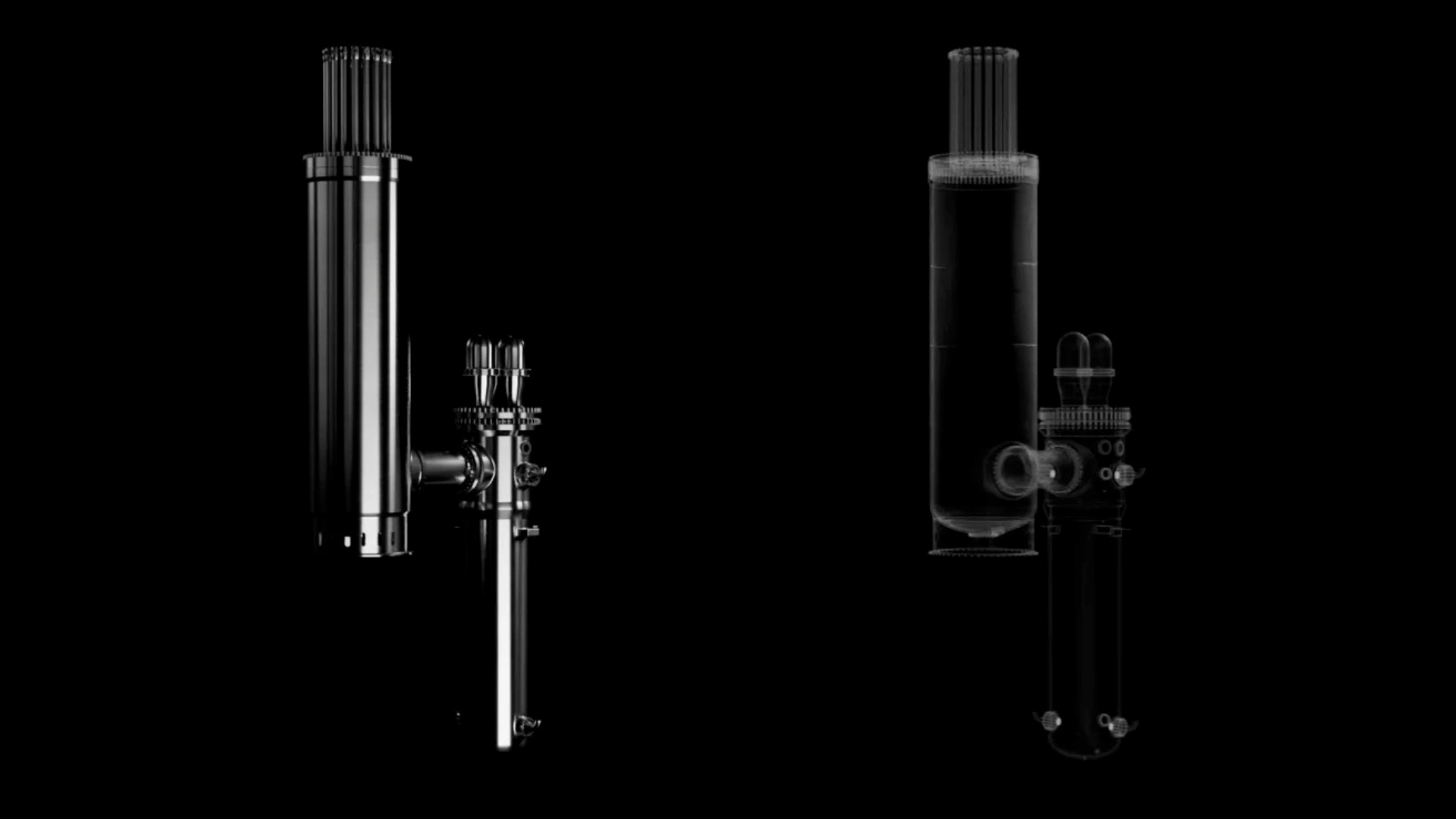
Fortera and MLC are building a commercial low-carbon cement plant at MLC’s Ste. Genevieve site in the Central Midwest. The facility will extract carbon dioxide directly from MLC’s lime operations and turn the captured gas into ReAct cement.
The resulting building material is nearly 50% captured CO₂ by weight, yet it still meets or exceeds traditional performance standards. Once operational, the facility is designed to crank out 300,000 tons of cement each year.
“The Ste. Genevieve plant marks a new era for American cement production, one where technology turns emissions into a high-quality product the market needs while creating lasting local jobs,” said Ryan Gilliam, CEO and co-founder of Fortera. “Building alongside the largest lime operation in the Americas lets us turn an existing emissions stream into hundreds of thousands of tons of cement to meet demand that already exists.”
Turning Smoke into Concrete
Advertisement
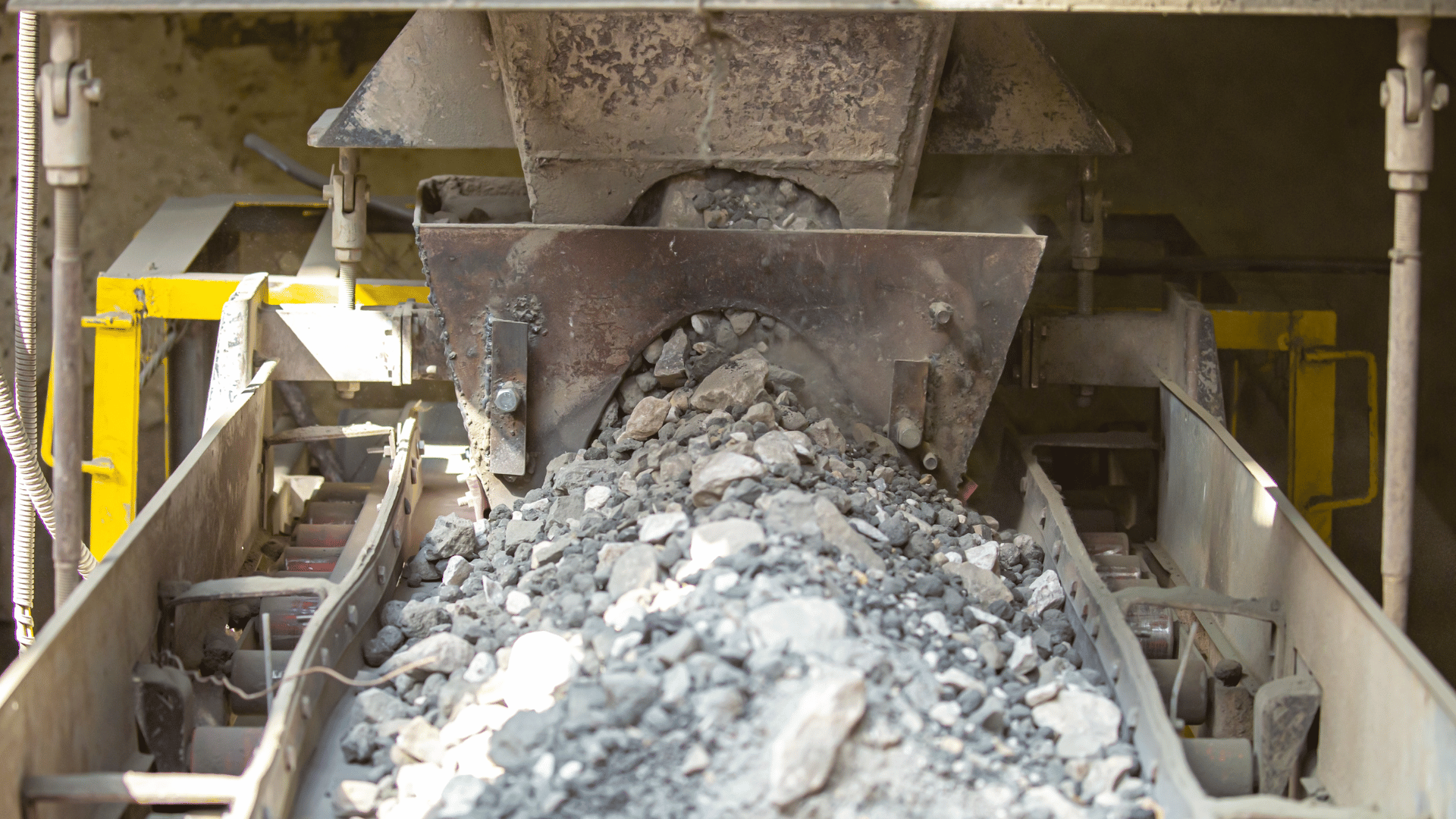
Lime production comes with a pretty significant carbon footprint of its own. Heating limestone during calcination accounts for roughly 60% of direct emissions. While the National Lime Association aims to decarbonize the U.S. industry by 2050, companies require workable tech today.
“While MLC has reduced our carbon footprint by 8% since 2022, and I am proud of that progress, current technologies will only take us so far. Lime producers need practical solutions to capture calcination emissions,” said Paul Hogan, CEO of MLC and current serving president of the NLA. “Fortera has developed an innovative approach that not only reduces the amount of carbon we release — it also turns it into a valuable product.”
The site sits on the Mississippi River, offering easy shipping across the country. According to the 2025 U.S. Geological Survey, imports currently account for 21% of domestic cement consumption, so additional homegrown supply helps fill a clear gap.
“Scaling the next generation of cement requires more than innovative technology; it requires strong partnerships across our industry,” said Marty Ozinga, CEO of Ozinga. “Fortera’s ongoing work with Ozinga represents the kind of collaboration needed to bring lower-carbon cement solutions to commercial scale while strengthening domestic manufacturing and ensuring we can continue to deliver the performance and reliability our customers expect.”
 Read Exclusive Stories
 Bookmark & Save Articles For Later