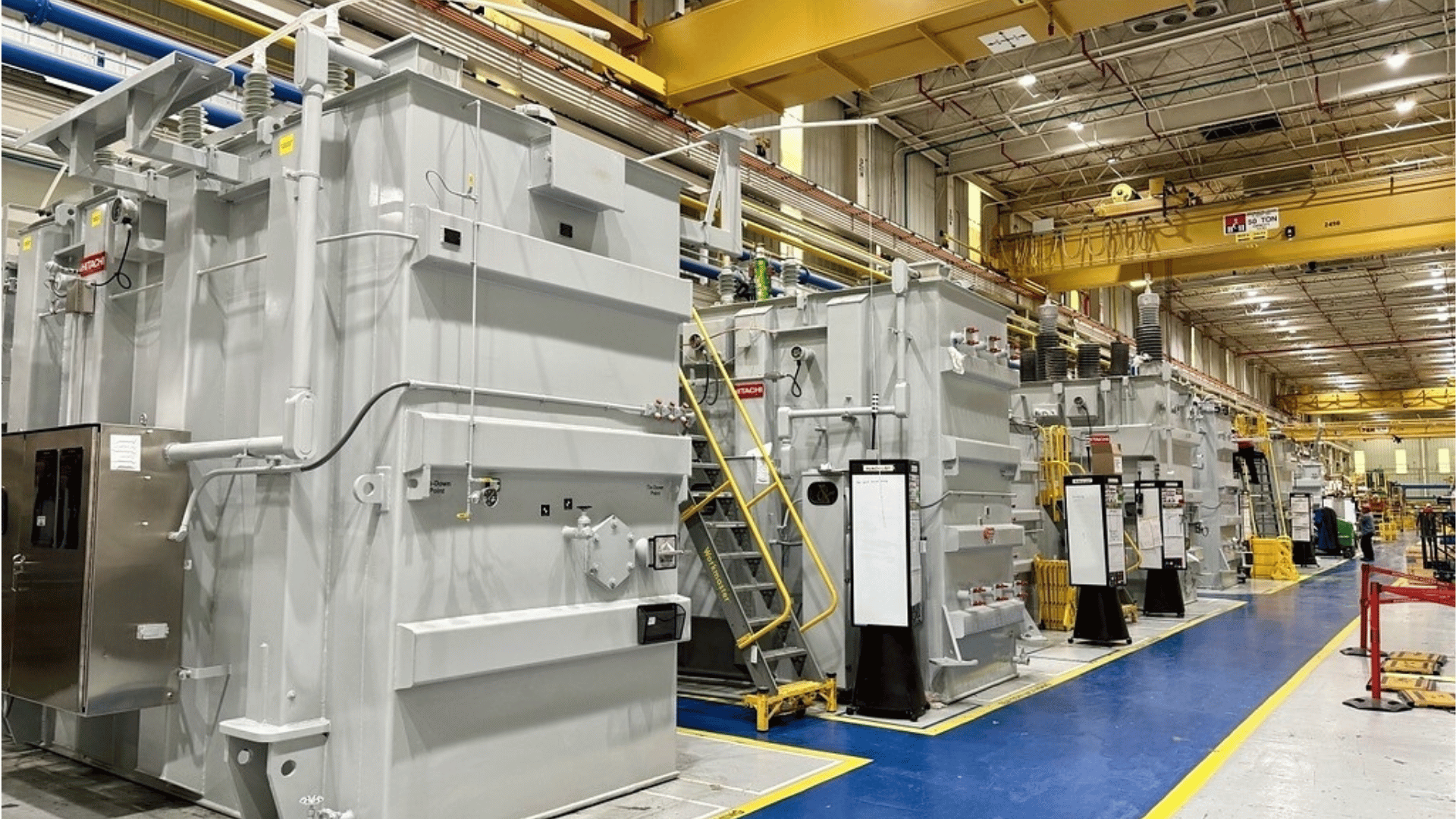
Blue Whale Materials (“BWM”), a lithium-ion (Li-ion) battery recycling and critical minerals recovery company, announced the completion of a full processing line at its Bartlesville, Oklahoma, facility.
This new setup takes dead lithium-ion battery components and processes them in a single system. It uses a specialized method to produce a high-grade, heat-treated mixture containing critical metals such as nickel, cobalt, and lithium. This mixture is called Blacksand, and the metals it contains are recovered from the old battery and factory scraps. Putting the whole recycling and recovery process in one line serves more customers and supplies the base materials for new batteries.
Increasing Battery Production
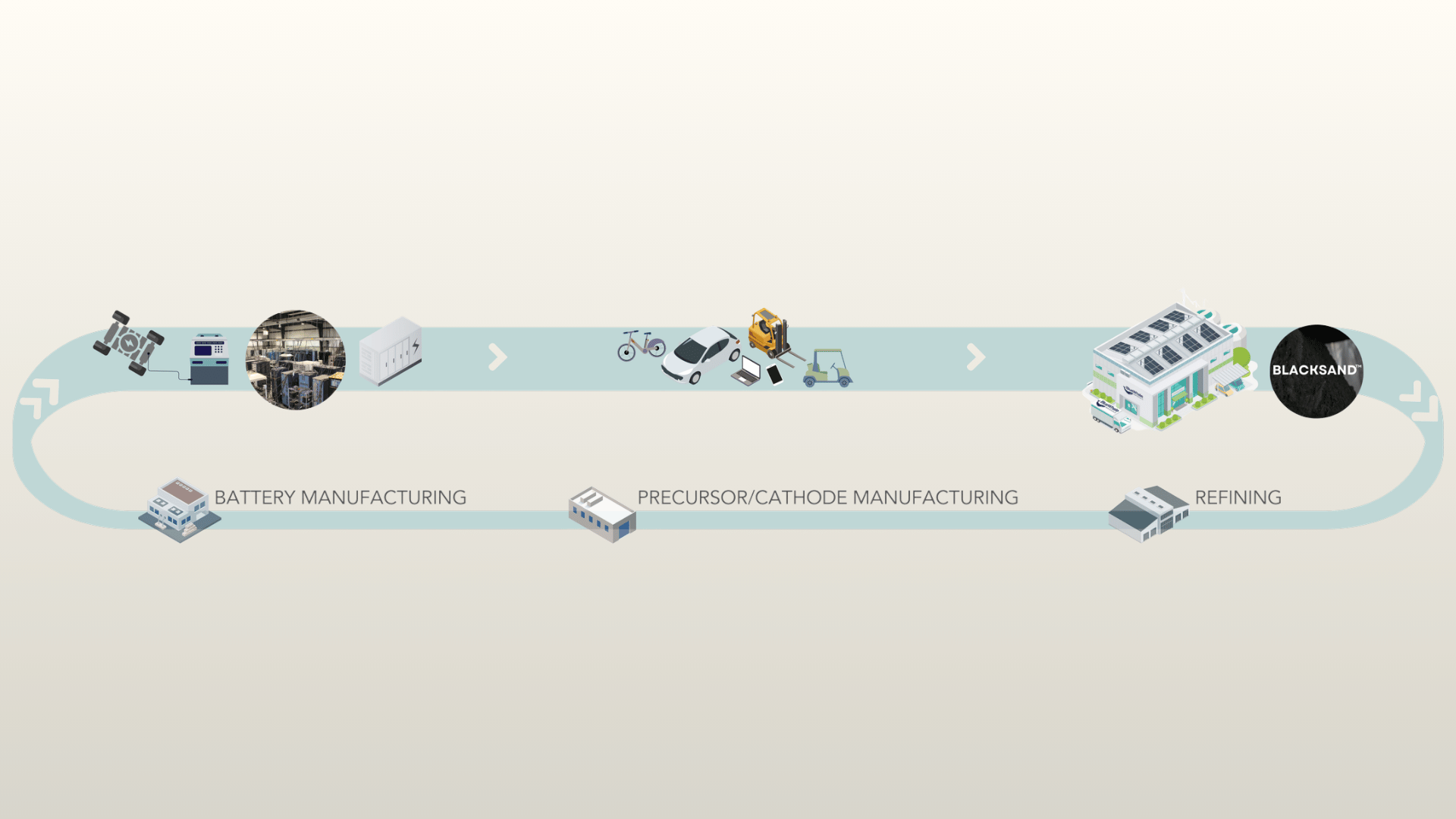
This construction wraps up the first phase of an expansion funded by a Department of Energy grant. The upgrade increases the facility’s processing capacity from 14,000 up to 20,000 metric tons of battery material every year.
Advertisement
“Mechanical completion is the milestone that turns on full capabilities,” Jack Johnson, the Chief Executive Officer of Blue Whale Materials, explained. “The team built and closed out the full line while the baseline operation kept running and kept shipping. Commissioning is underway, and our focus now is bringing the line to rate and continuing our expansion. Coupled with the team’s recent fundraising close, the full line gives us the platform to serve our customers with responsible and safe recycling services and high-quality Blacksand® for the domestic supply chain of critical minerals.”
Reaching the Capacity Target
It is one thing to test a process, but building the heavy infrastructure to do it at scale is the real challenge. The facility will spend the rest of the year testing and adjusting the equipment to safely reach its new capacity target.
“Blue Whale continues to execute with exceptional discipline,” Cory Steffek, a Partner at Ara Partners, added. “Successfully commissioning an integrated line capable of handling complete battery packs through to individual cells marks the transition from promising technology to essential commercial infrastructure. Reaching 20,000 metric tons of capacity solidifies BWM’s position as a cornerstone of the domestic critical minerals supply chain.”
 Read Exclusive Stories
 Bookmark & Save Articles For Later