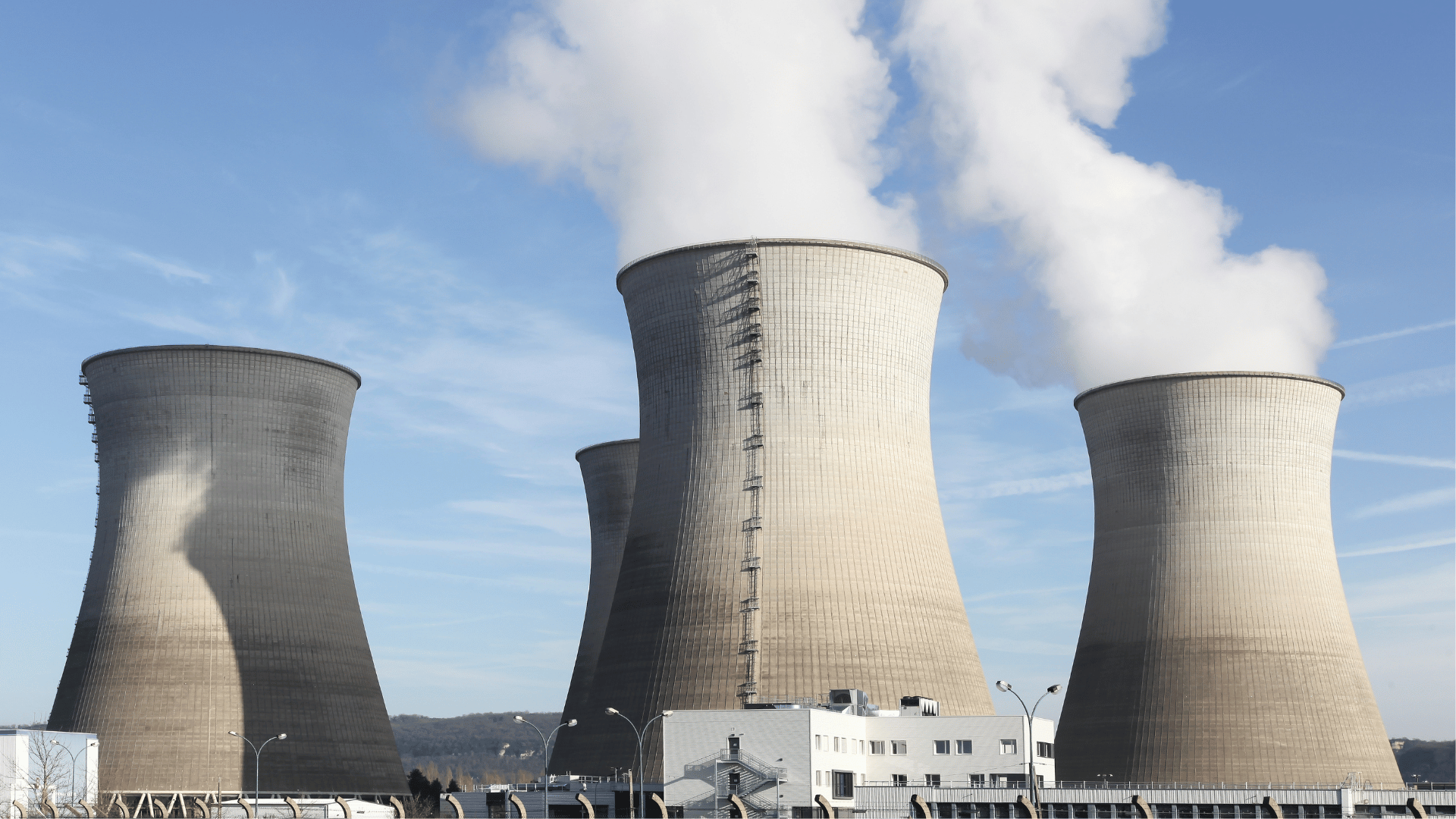
Fusion energy has been a “white whale” for scientists for decades now. A new AI supercomputer was built to get them closer to making virtually limitless power a reality.
The supercomputer, Sunrise, was funded by the Department for Energy Security and Net Zero (DESNZ), owned by UKAEA, and operated by the University of Cambridge. Building Sunrise is a key part of the U.K.’s 2026 fusion strategy.
The team has high hopes. “We expect Sunrise to become the world’s most powerful supercomputer dedicated to fusion energy development.”
According to developers, it has already earned a spot on the TOP500 list of the world’s most powerful supercomputers.
Tackling Fusion Energy Challenges
Scientists, researchers, and engineers will use Sunrise’s capacity for modeling, data analysis, and the execution of complex digital twin simulations. Most importantly, it will tackle core fusion problems like plasma turbulence, materials development, and tritium fuel breeding.
While fusion is the main target, the system will also support other clean energy technologies and advance broader net-zero goals.
Advertisement
Sunrise is the first phase of computing power needed for the country’s first AI Growth Zone at UKAEA’s Culham Campus in Oxfordshire. It works alongside the University of Cambridge’s Zenith supercomputer, which shares the same underlying tech setup, forming one of the UK’s largest AI platforms for scientific research.
Sunrise AI Supercomputer
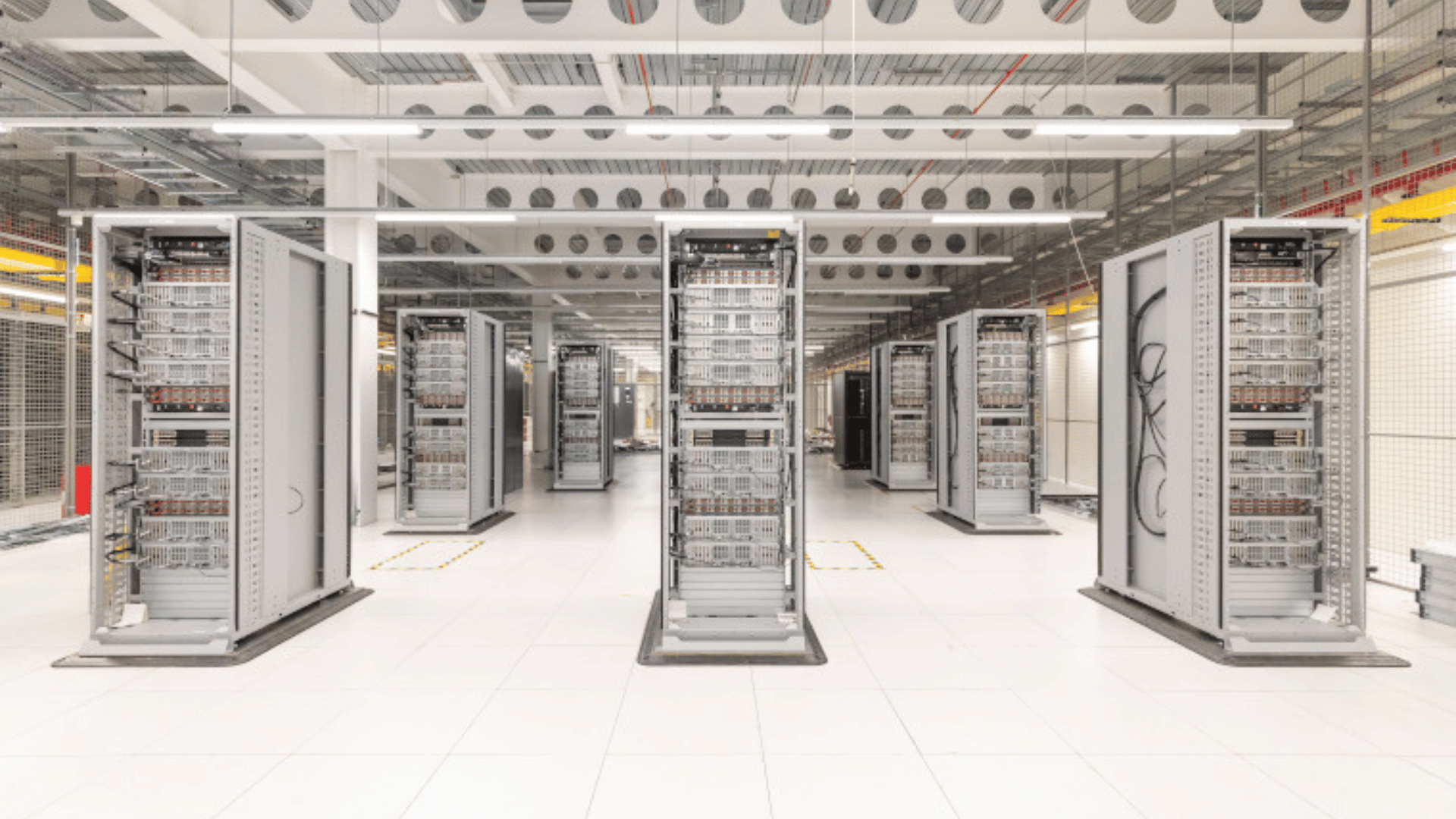
Building this machine required a large group effort. Sunrise involves AMD, Dell Technologies, Intel, WEKA, StackHPC, DESNZ, DSIT, UKAEA, and the University of Cambridge.
Additionally, Sunrise runs on 100% renewable energy and uses direct liquid cooling right to the chips to keep everything running cool.
The Sunrise supercomputer’s additional specs:
- 6.76 Exaflops of AI-accelerated modeling
- 5th generation AMD EPYC™ processors and AMD Instinct™ MI355X GPUG accelerators – it is purpose-built on the Dell PowerEdge platform (Dell 8-way rack-scale servers) and uses cloud-native AI software stack from StackHPC
- 672 GPUs, a 192 dual-socket Intel Sapphire Rapids HBM 56-core CPU cluster, and an advanced WEKA HPC filesystem
 Read Exclusive Stories
 Bookmark & Save Articles For Later