The International Atomic Energy Agency (IAEA) released its 46th annual projections report at the 70th IAEA General Conference in Vienna. As the world needs more electricity and cleaner ways to produce it, nuclear energy is on the rise.
For the sixth year in a row, the IAEA has revised its forecasts upward. At the end of 2025, 413 operating reactors provided 377.1 gigawatts of global capacity. Under the IAEA’s high-case scenario, that capacity could reach 1,284 gigawatts by 2060, roughly triple the 2025 level. Even in the low-case estimate, global capacity is projected to nearly double to 696 gigawatts.
The Rise of Smaller Reactors
A significant portion of this growth comes down to advancements in small modular reactors, known as SMRs. In the high-growth forecast, SMRs make up 28% of all new nuclear capacity added by 2060. In North America, SMR uptake is especially strong, where they could account for roughly 60% of new capacity.
Central and Eastern Asia are expected to lead the charge. Capacity in that region could jump from 114 gigawatts in 2025 to 407 gigawatts by 2060, increasing regional nuclear generation almost fivefold.
Replacing Old Nuclear Power Plants
Advertisement
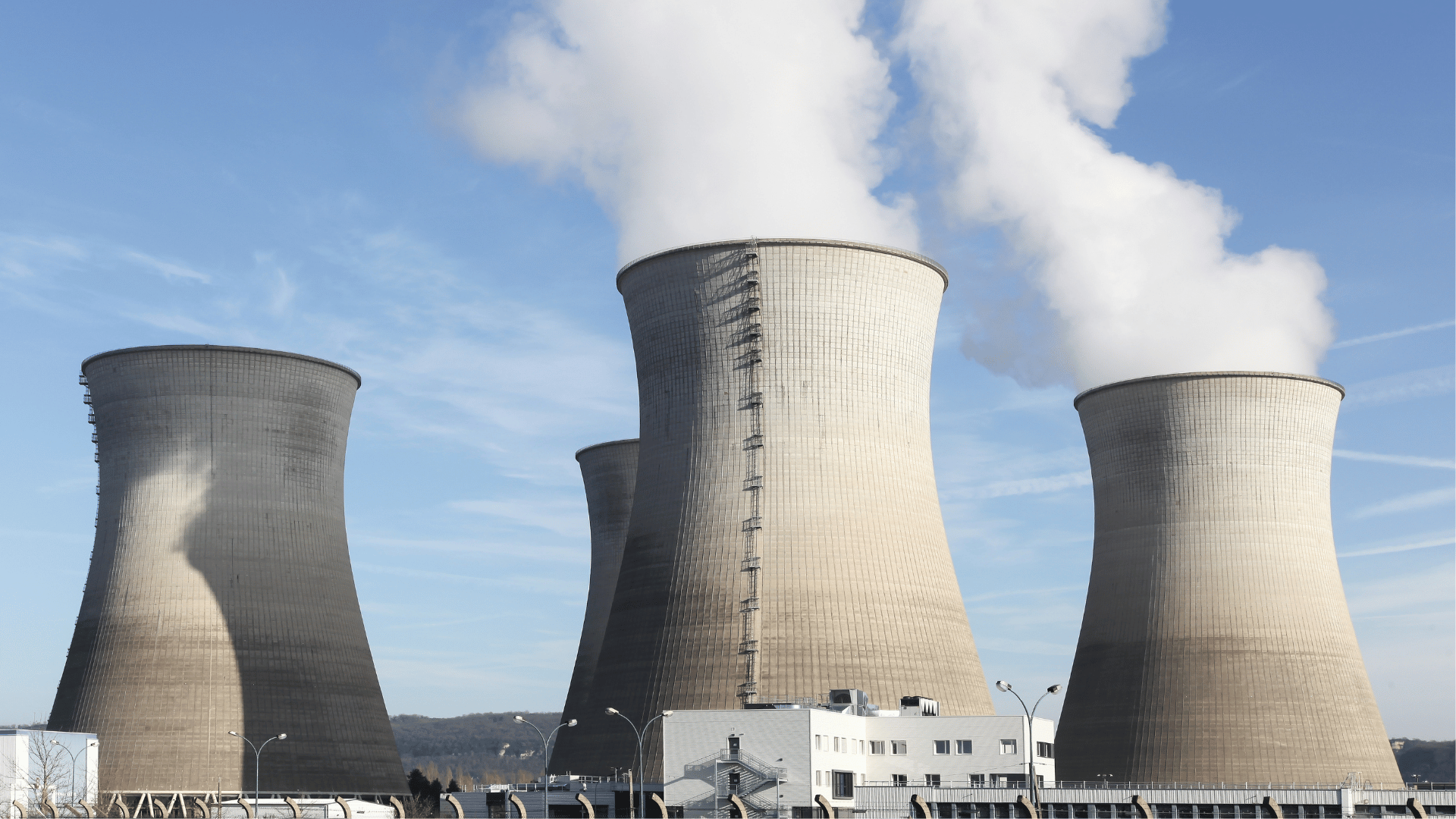
While new advancements become prominent, older infrastructure is aging out. Two-thirds of current nuclear reactors have been running for over 30 years, and 45% have passed the 40-year mark. In 2025 alone, seven reactors were retired.
To keep pace, three new reactors were connected to the grid in 2025, and construction began on 12 others. Countries are also turning to lifetime extensions and refurbishments to keep existing fleets running longer.
“The IAEA projections show the increasing role of nuclear power in meeting the world’s growing electricity needs. To realize this potential, investment in new nuclear capacity and reactor lifetime extensions will be essential,” said Director General Grossi.
According to the IAEA, nuclear power’s overall share of global electricity dropped slightly from 8.7% in 2024 to 8.4% in 2025 because total energy demand grew faster than nuclear generation.
 Read Exclusive Stories
 Bookmark & Save Articles For Later