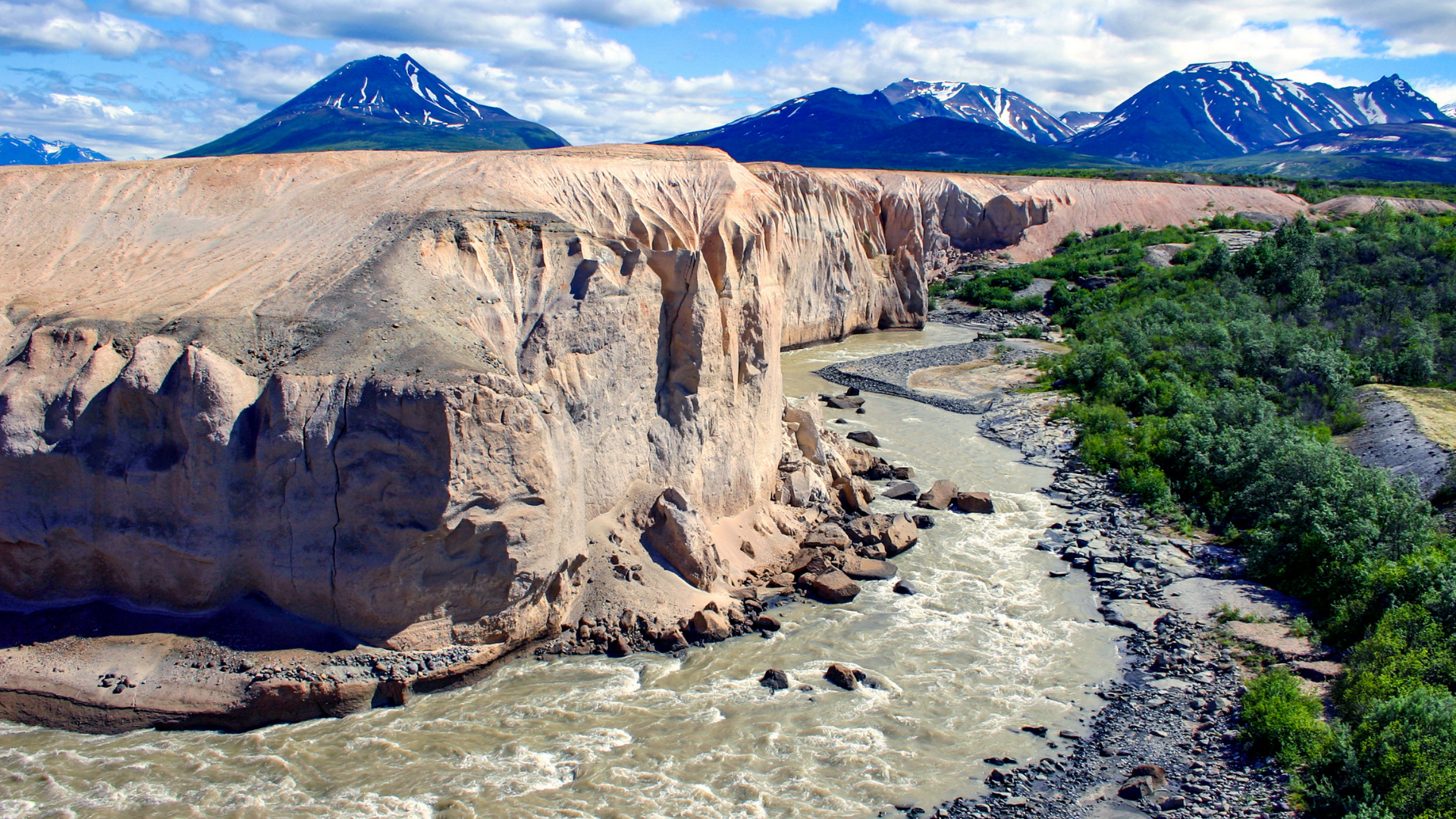
As your plane glides above Katmai National Park in Alaska, you’re probably picturing endless green forests and icy blue glaciers. Suddenly, though, all that green vanishes. Sprawled beneath you is a massive, forty-square-mile desert of beige dirt and winding canyons.
This is the Valley of Ten Thousand Smokes. It looks like a completely different planet, and it was all created in just a few days during the summer of 1912.
The Largest Eruption Of The Century
Before 1912, this area was a normal, green Alaskan valley filled with trees and wildlife. Then a brand-new volcano, Novarupta, suddenly tore open.
It was the largest volcanic eruption of the entire 20th century. For three days, Novarupta blasted massive amounts of ash, pumice, and hot gas into the sky. The eruption was so violent that the ash cloud actually blocked out the sun across the Northern Hemisphere and dropped global temperatures. But the worst damage happened right around the volcano.
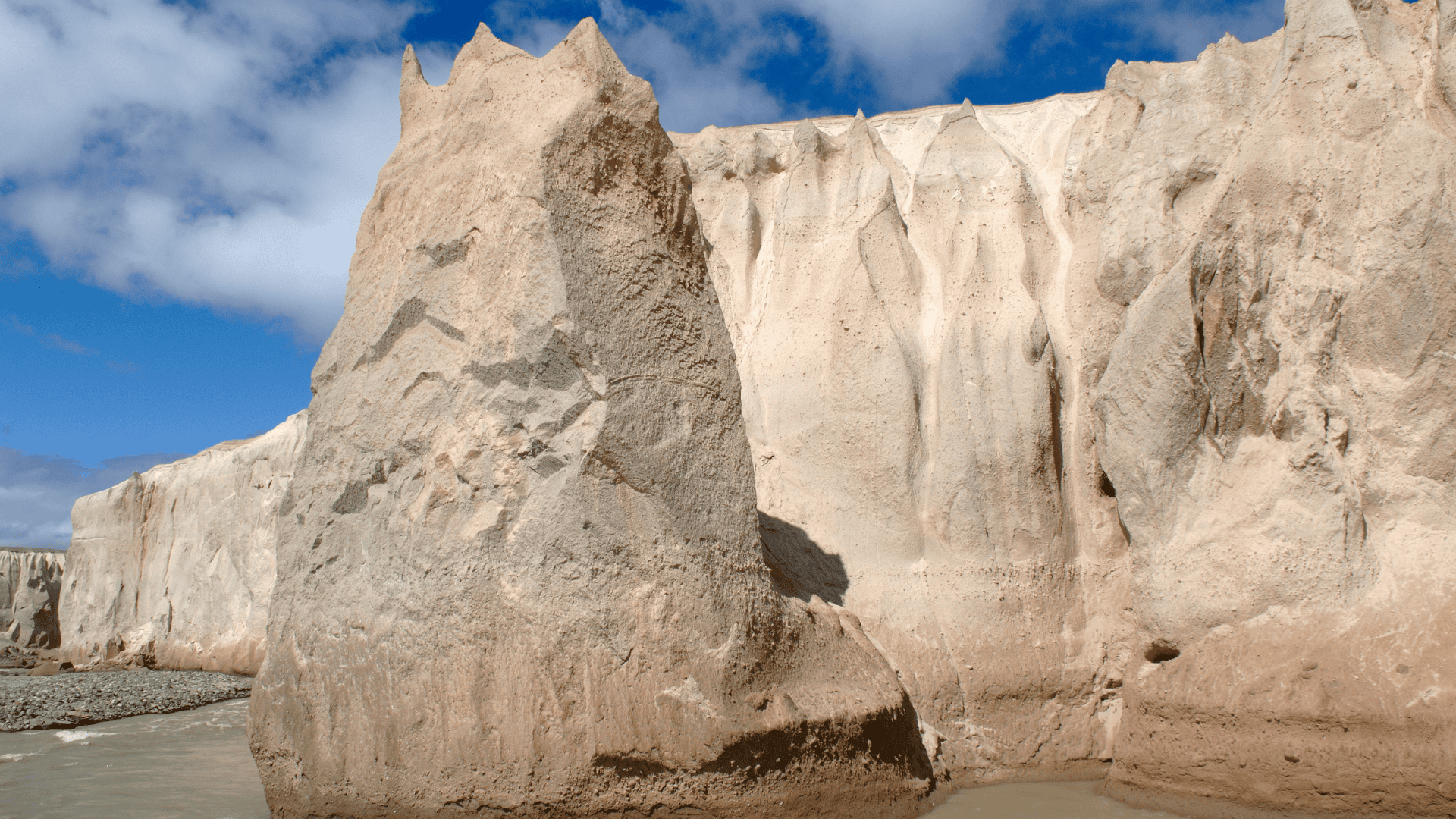
A roaring avalanche of superheated ash and glowing gas thundered down the mountainside, swallowing the valley below. In places, the ash piled up as high as 700 feet. Everything in its path—every tree and plant—was gone in an instant, incinerated by the intense heat.
Where The Smokes Came From
Advertisement
When explorers finally reached the valley a few years later, they saw something strange. The ash had settled, but the ground was still incredibly hot.
Water from underground streams and melting snow got trapped beneath the thick layer of hot rock. That water boiled and rose back to the surface as steam. The explorers saw thousands of cracks in the ground, shooting thick white smoke straight into the air. That is how the valley got its name.
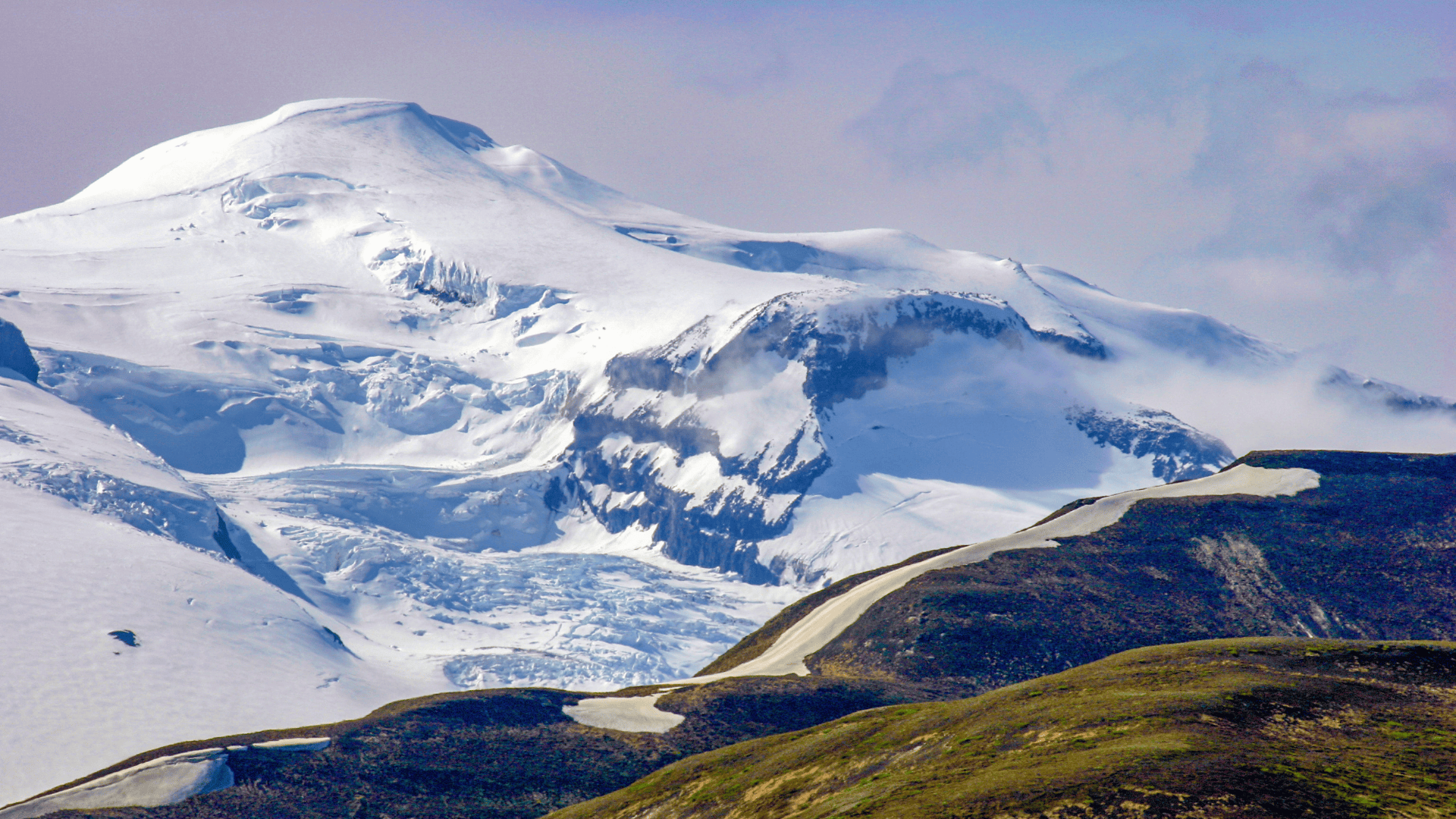
Today, almost all of the smokes are gone. The volcanic rock has slowly cooled over the last hundred years, so the underground water no longer boils. The ground is just a quiet, flat expanse of pale ash.
Water Carving Through Ash
The smoke may be gone, but the landscape keeps changing. Since the valley floor is composed of loose ash and pumice rather than solid rock, it erodes at a surprising pace.
When it rains or the nearby glaciers melt, rivers rush through the valley. The fast-moving water acts like a saw, easily cutting deep, jagged canyons straight through the soft volcanic rock. If you visit today, you can look down into these steep gorges and see exactly how deep the ash is. It gives you a clear picture of just how much material the Earth threw out in a single weekend.
 Read Exclusive Stories
 Bookmark & Save Articles For Later