In a time when our phones demand our attention at every turn, imagine finding solace in the pages of a good book. Have you ever stopped to think about how that simple act can shift your perspective and even change the way your brain functions? It’s more than just a pastime; it’s a journey worth taking.

Your Brain on Books
Reading physical printed pages does fascinating things to human neuroscience. Researchers at Emory University used MRI scans to track brain activity in people reading novels. They found that reading causes measurable changes in the brain’s resting state. Specifically, it strengthens connections in the left temporal cortex, the region associated with language processing.
It also activates the somatosensory cortex, which processes physical sensations. When you read about a character running or feeling a soft blanket, your brain reacts as if you were experiencing those things yourself. Scientists call this grounded cognition. In simple terms, reading a good story acts like a full workout for your brain.
The Technology Behind Modern Reading
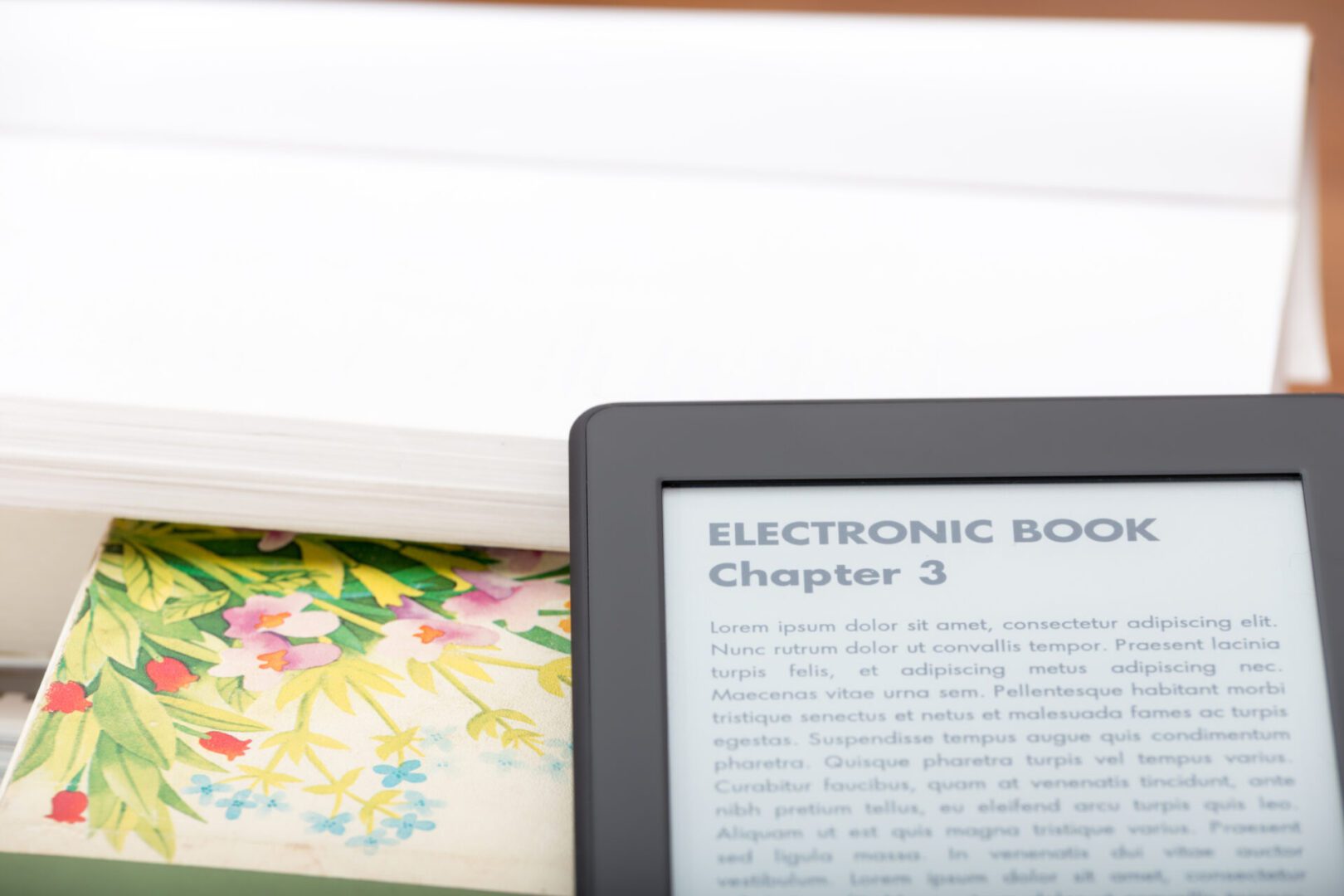
While paper books are still hugely popular, technology has shifted reading into the digital age. Take electronic paper screens, commonly used in modern e-readers. Traditional screens like tablets or smartphones shine a bright light directly into your eyes, causing strain after a short time.
Advertisement
E-readers use microcapsules filled with tiny charged particles suspended in liquid. Positively charged white particles and negatively charged black particles move up or down when an electric field is applied. This creates crisp text that reflects ambient room light just like real paper. It uses very little energy because it only needs energy when you turn a page.
Publishers are also making traditional paper more sustainable. Scientists have developed tree-free paper made from agricultural waste like wheat straw, sugarcane bagasse, and even mushroom mycelium. These materials drastically reduce deforestation and water usage during manufacturing.
What Comes Next for Readers
Technology is also making books accessible to more people than ever before. Advanced text-to-speech AI allows visually impaired readers to listen to books read in realistic, expressive voices. Digital libraries let readers borrow millions of titles instantly from anywhere on Earth.

At the same time, neuroscience shows that paper and digital reading offer different perks. Reading on paper helps with deep focus and holding on to complex details. Digital reading makes searching, taking notes, and carrying huge libraries effortless.
Turn the pages of a well-worn paperback, swipe through a screen on your device, or listen to an audiobook. No matter which format you choose, science proves your brain will thank you for it.
 Read Exclusive Stories
 Bookmark & Save Articles For Later