Energy demand is high right now, but there is a problem with battery systems’ reliance on lithium. This critical mineral has a complicated supply chain.
In a move to cut down on the lithium reliance, ESS Tech signed a Letter of Intent with the renewable energy developer Juniper Energy to deploy sodium-ion battery systems. Sodium is abundant and can be sourced domestically, dodging the headaches and restrictions that come with importing foreign materials.
Moving Past Lithium
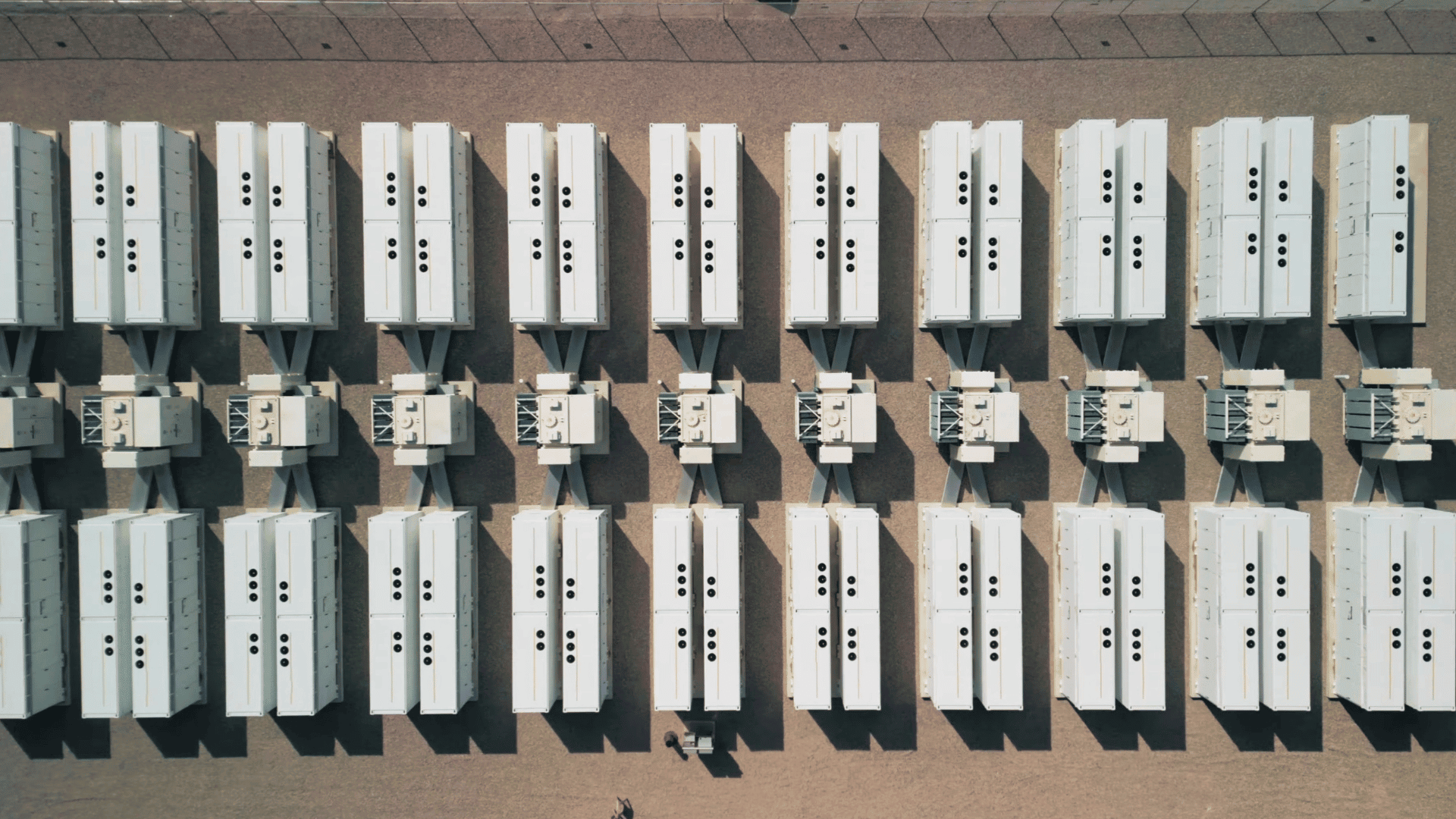
The companies are starting with a major project in California. They are planning a 10-megawatt, 80-megawatt-hour energy storage site, and they want it running by 2027. This first setup will use ESS’s modular sodium-ion system, called Bridge, along with their Energy Management System.
Advertisement
If this initial project is successful, Juniper Energy plans to buy at least 500 megawatt-hours more of these battery systems by 2032.
“This agreement with Juniper Energy validates ESS’s strategy to expand our technology portfolio and bring sodium-ion energy storage to market,” Drew Buckley, the CEO of ESS, explained. “The planned deployment and long-term procurement framework reflect the accelerating customer demand we are seeing for safer, domestically sourced alternatives to conventional lithium-ion batteries.”
Powering Big Facilities with Sodium-Ion
ESS expects its non-lithium batteries to fill a growing need in large utility setups, commercial facilities, AI data centers, and critical infrastructure. Because these batteries use domestic materials, they avoid the “Foreign Entity of Concern” restrictions that often slow down traditional lithium projects.
“Juniper Energy is focused on partnering with companies that can successfully bring innovative energy technologies from development into commercial operation,” Keith McDaniels, the Managing Partner of Juniper Energy, added. “ESS has demonstrated its ability to integrate, deploy, and scale advanced energy storage solutions, giving us confidence in its ability to execute on next-generation sodium-ion technology. We look forward to working together to validate the ESS Bridge energy storage platform and support its broader adoption across future energy storage projects.”
 Read Exclusive Stories
 Bookmark & Save Articles For Later