When we look at geological wonders like the Grand Canyon or one of the planet’s towering mountains, it takes millions of years for those geological features to form. However, if you drive into the high desert areas of northern Arizona, you can see a massive geographical formation created in a fraction of a second.
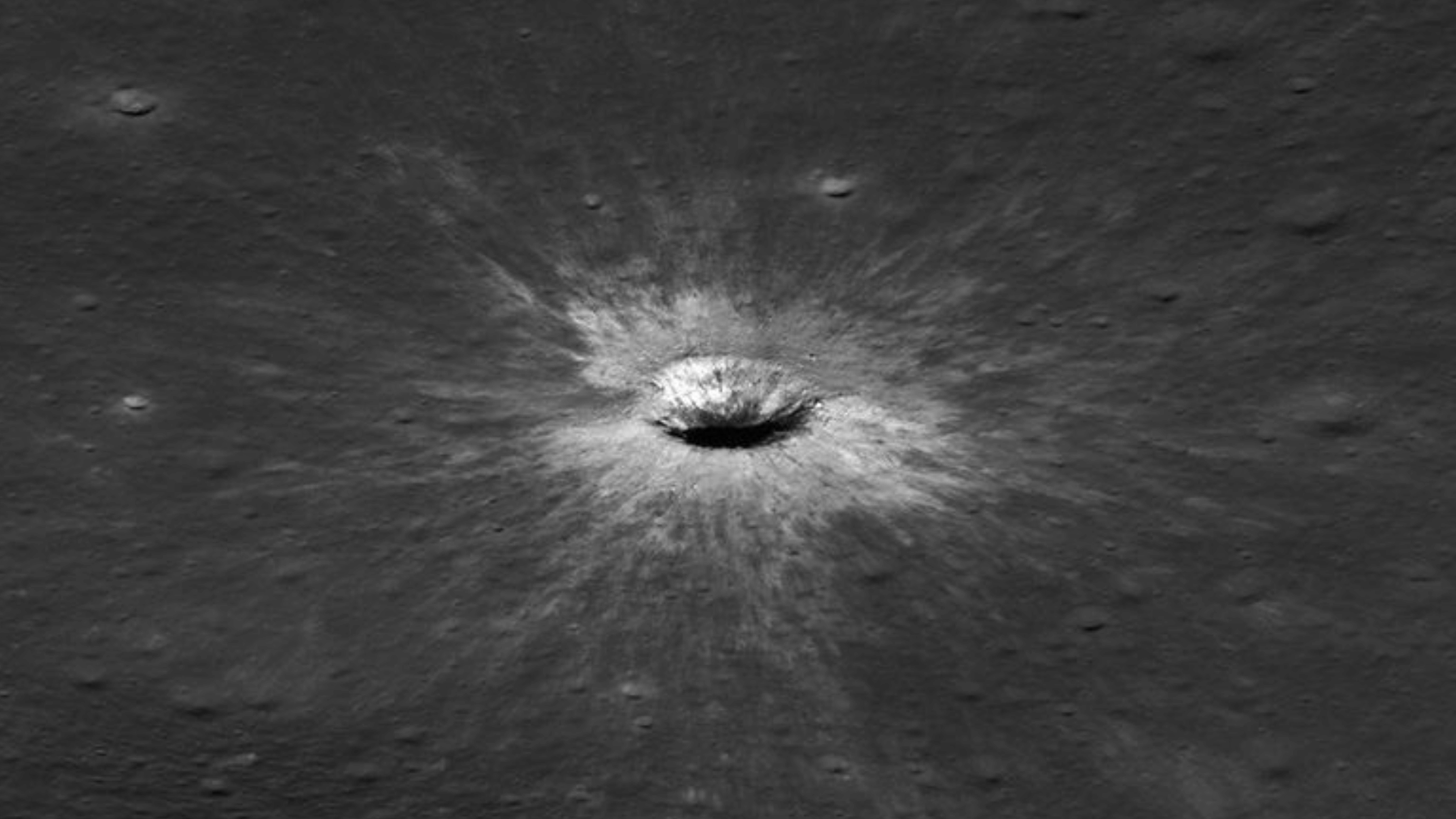
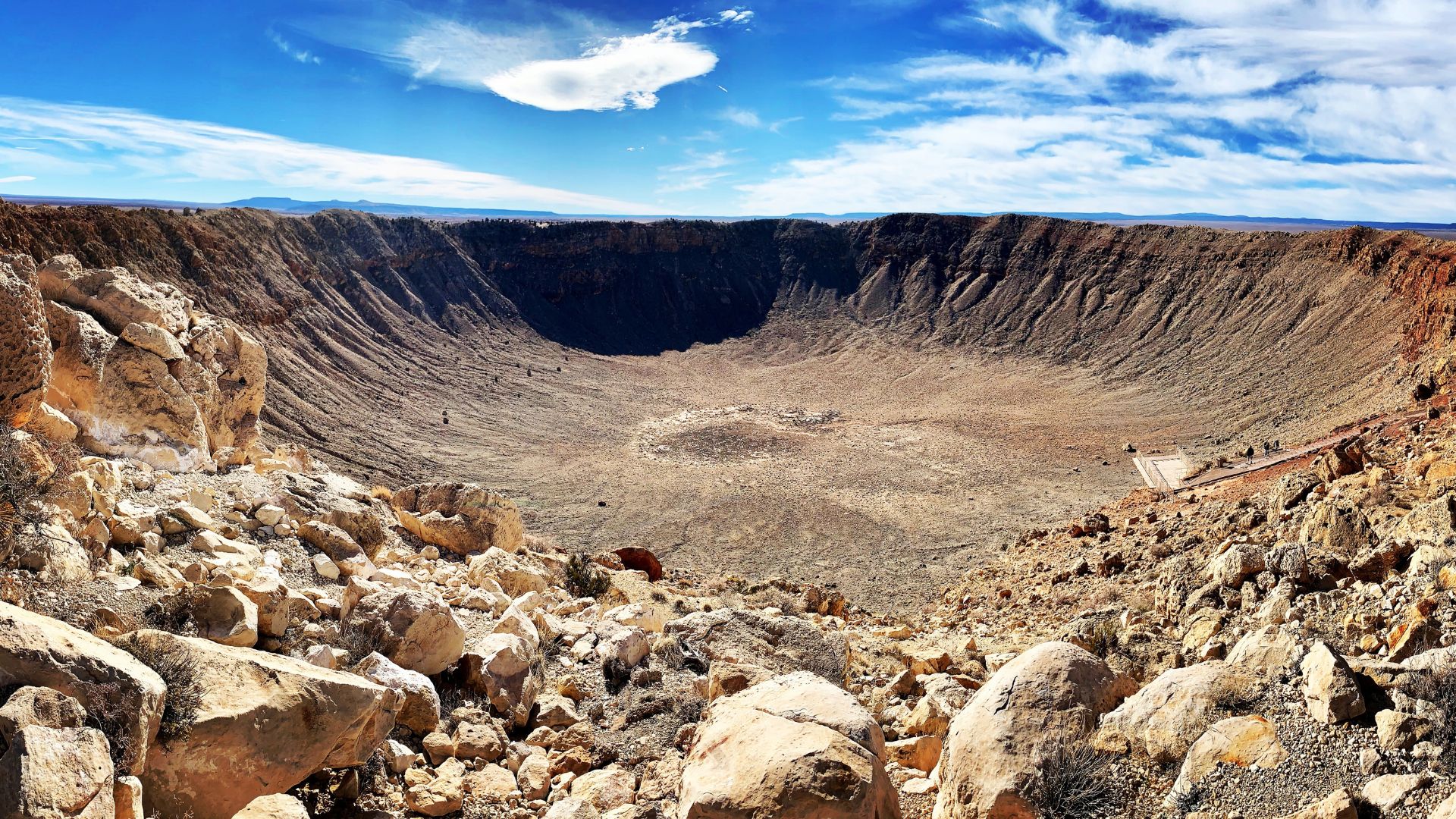
Meteor Crater is home to the best-preserved meteor impact crater on Earth. This geological wonder is nearly a mile across, over 550 feet deep, and looks like it belongs on the moon’s surface.
A 26,000-Mile-Per-Hour Collision
The Meteor Crater was formed around 50,000 years ago during the Pleistocene epoch. At the time, the area that is Meteor Crater was not desert-covered. Instead, it was a grassland area with plenty of water, and it was home to mammals that roamed the land, including mammoths and giant ground sloths.
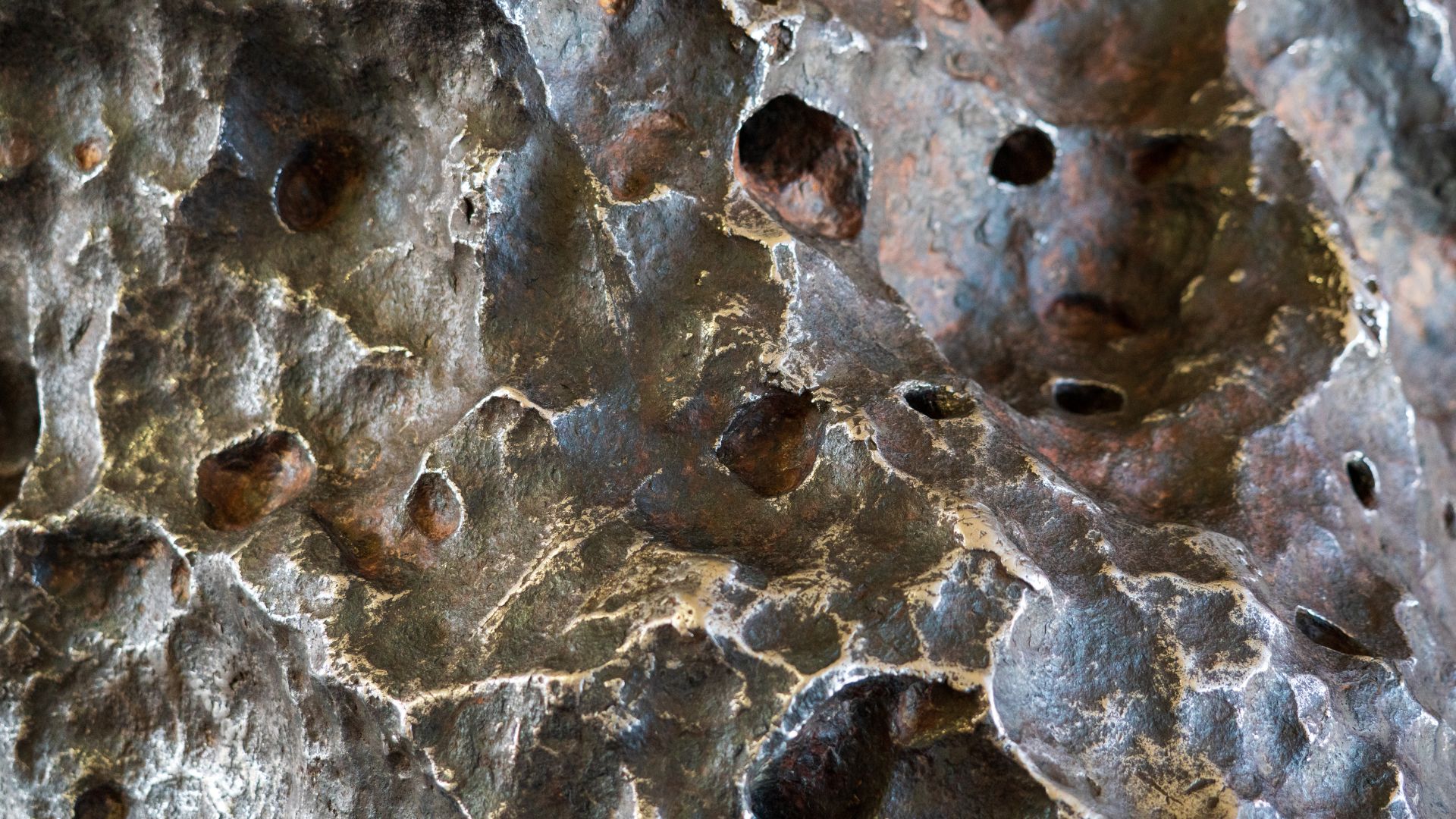
A chunk of an asteroid broke off from the celestial body and fell towards Earth. This chunk of the asteroid was composed of nickel and iron and was around 150 feet across. This meteoroid was moving at around 26,000 miles per hour when it impacted the plains of Arizona.
The impact released as much energy as a 10-megaton nuclear bomb that was detonated at the site.
Advertisement
Vaporized Rock
The force of the meteorite’s impact vaporized the meteorite and the underlying rock. The meteor stone shattered on impact, blasting huge chunks of limestone the size of small houses out of the crater. The intense pressure at the point of impact altered the structure of the sandstone, forming a mineral known as shocked quartz.
The Best Preserved Crater on Earth
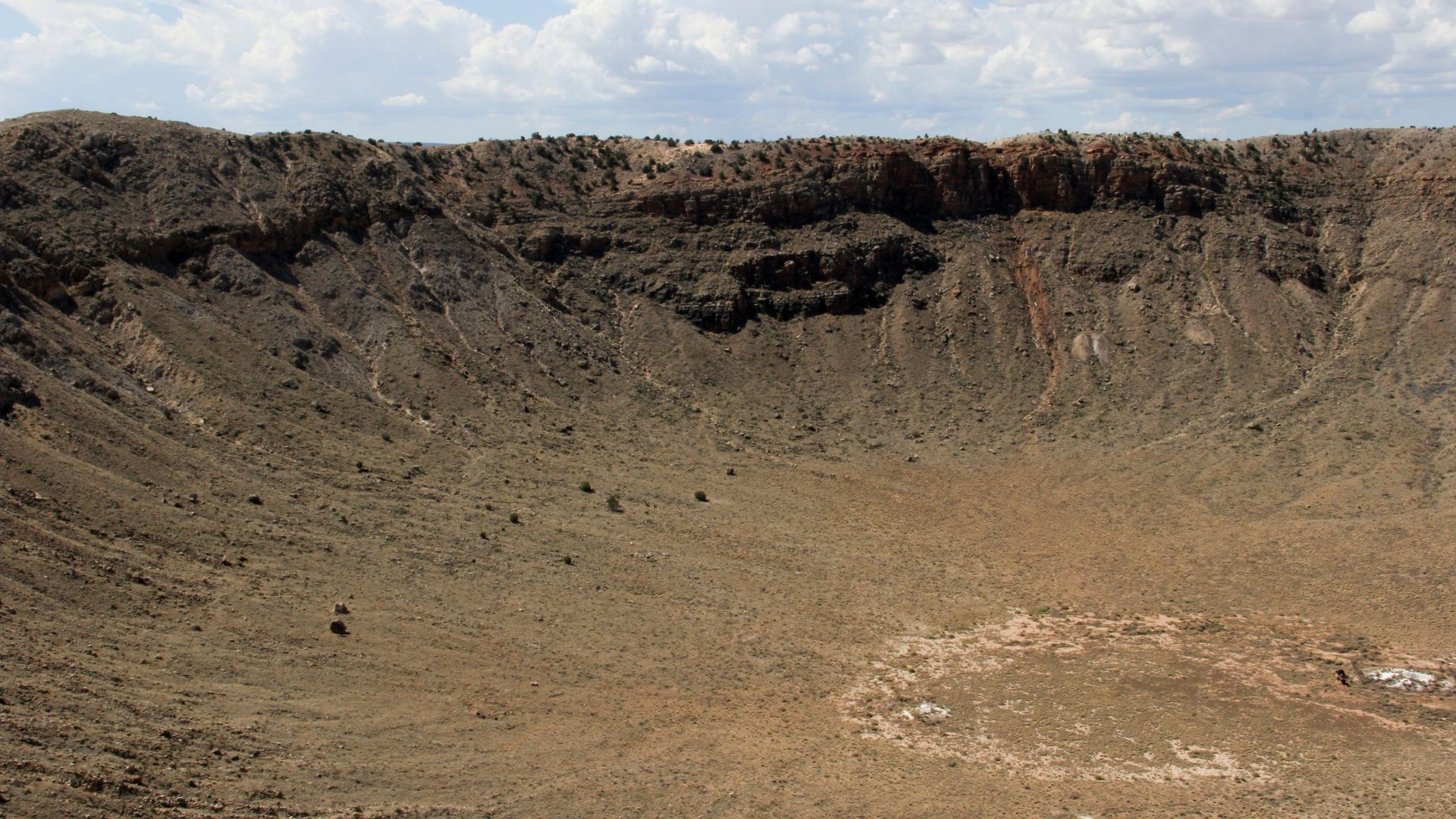
Earth has been impacted by meteors many times. However, most of the impact sites have been worn away over millions of years by rainfall, wind, and the movement of Earth’s tectonic plates. Meteor Crater, however, is relatively young, at 50,000 years old, and lies in a dry area of the Earth that receives little rainfall. This dry climate helped to keep the crater well preserved. NASA took the Apollo astronauts to Meteor Crater to study the rocks and help them identify the minerals that would be present on the moon where they would land.
 Read Exclusive Stories
 Bookmark & Save Articles For Later