An Underground Acid Bath
Most of the world’s limestone caves – including Mammoth Cave, which we covered earlier in this chapter – were carved by underground rivers or by mildly acidic rainwater. Not Carlsbad Caverns.
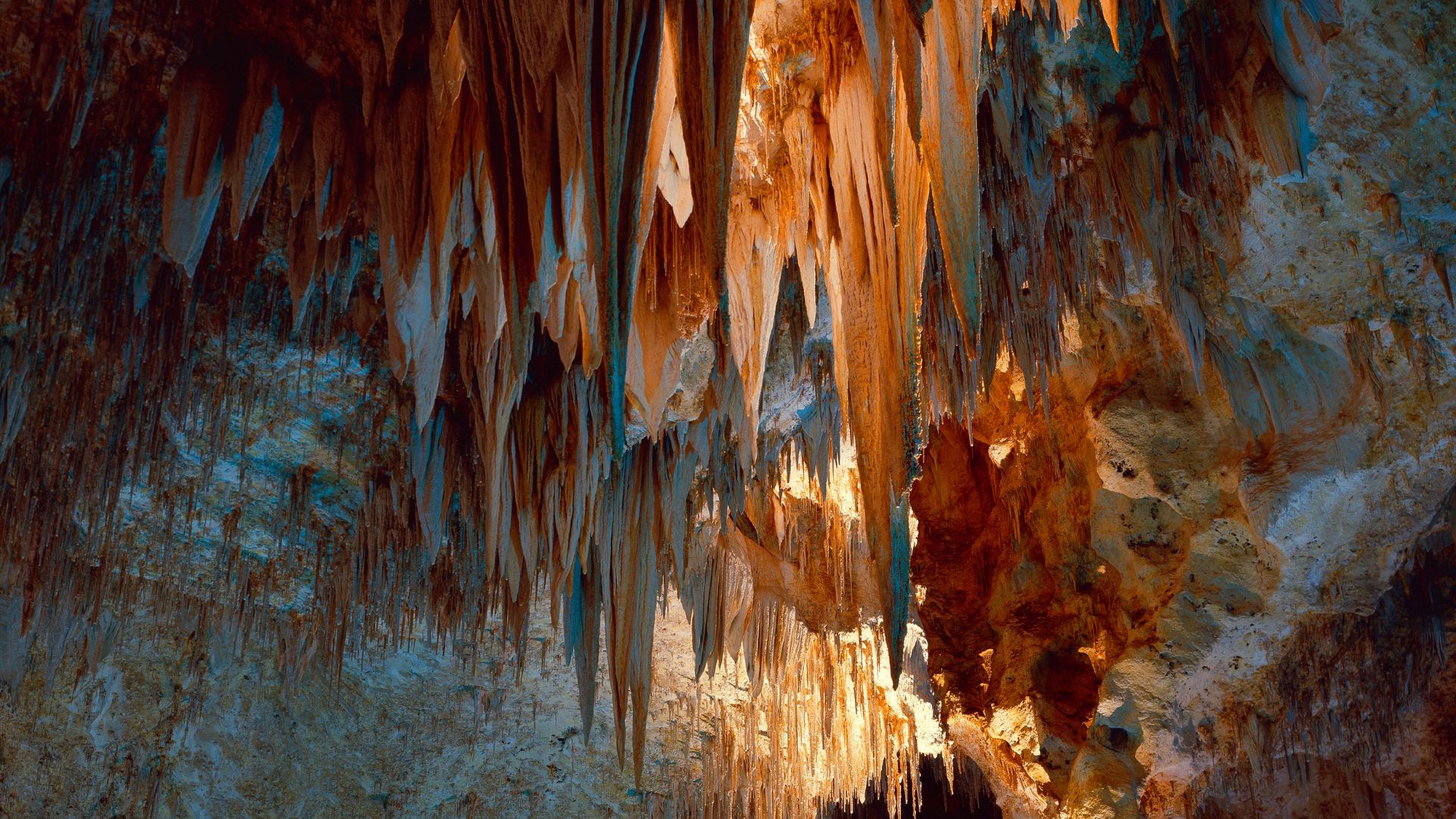
Millions of years ago, hydrogen sulfide gas began to leak up from the petroleum deposits deep beneath the Earth’s surface. When hydrogen sulfide gas encountered oxygen in the groundwater, a chemical reaction formed sulfuric acid, which rapidly dissolved the limestone underground. This process, known as sulfuric acid speleogenesis, occurs in a fraction of the time it takes water to do the same job.
A Fossilized Ocean
The limestone that was dissolved by this sulfuric acid came from the Capitan Reef. About 250 million years ago, what would become Carlsbad Caverns was the coastline of an inland sea. On that sea’s floor, organisms like sponges, algae, and seashells accumulated over millions of years to form a limestone reef over 300 miles in length. The cavern walls are, therefore, composed of this petrified ocean floor, including its fossils.
Advertisement
Decorating the Cave
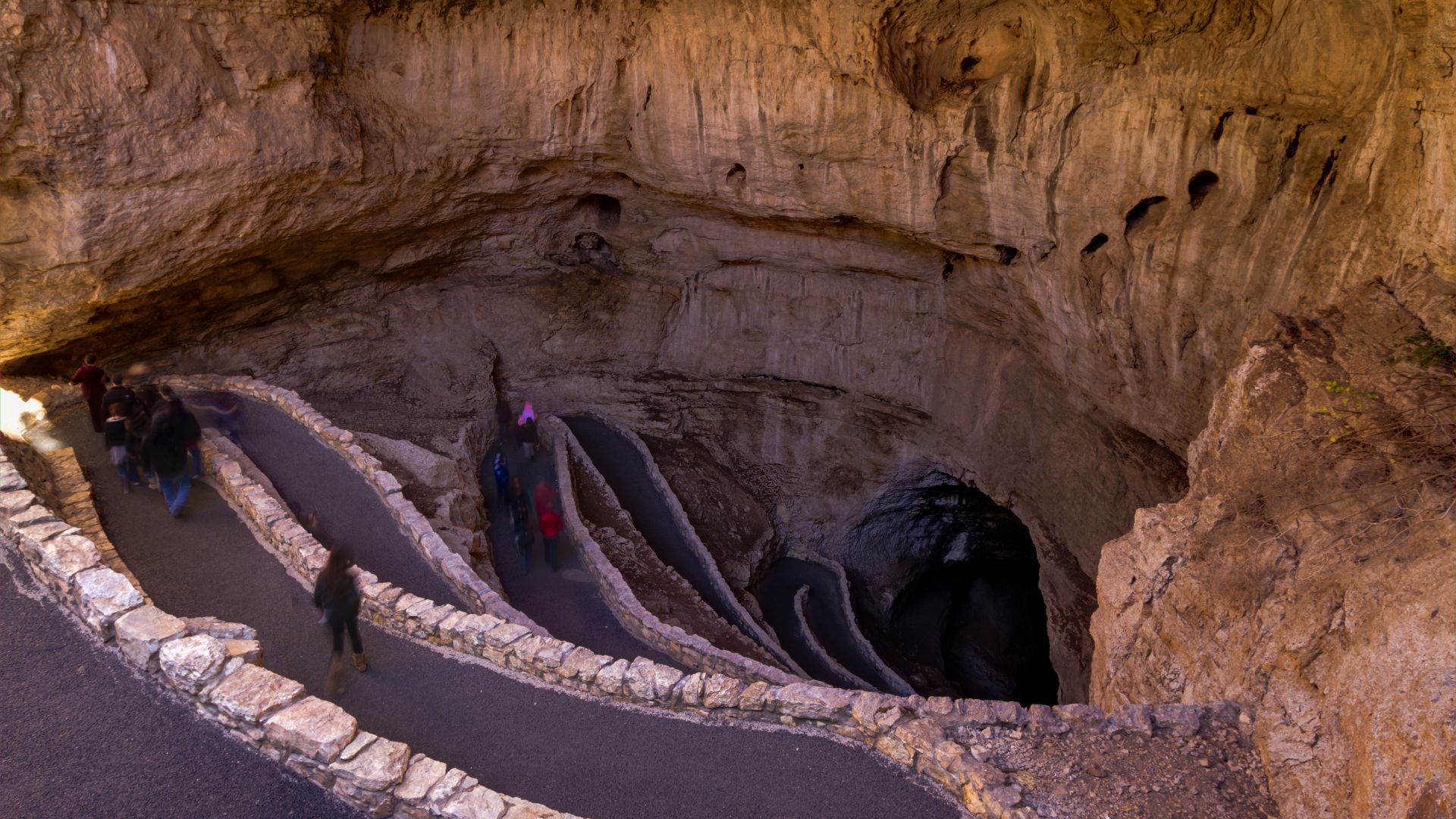
Tectonic forces uplifted the area containing the cavern, and the water table dropped. The underground acid bath emptied into the cavern system, leaving behind a series of massive and dark chambers. The largest of these chambers, known as the “Big Room,” is almost 4,000 feet in length and tall enough to fit a 20-story building within its expanse.
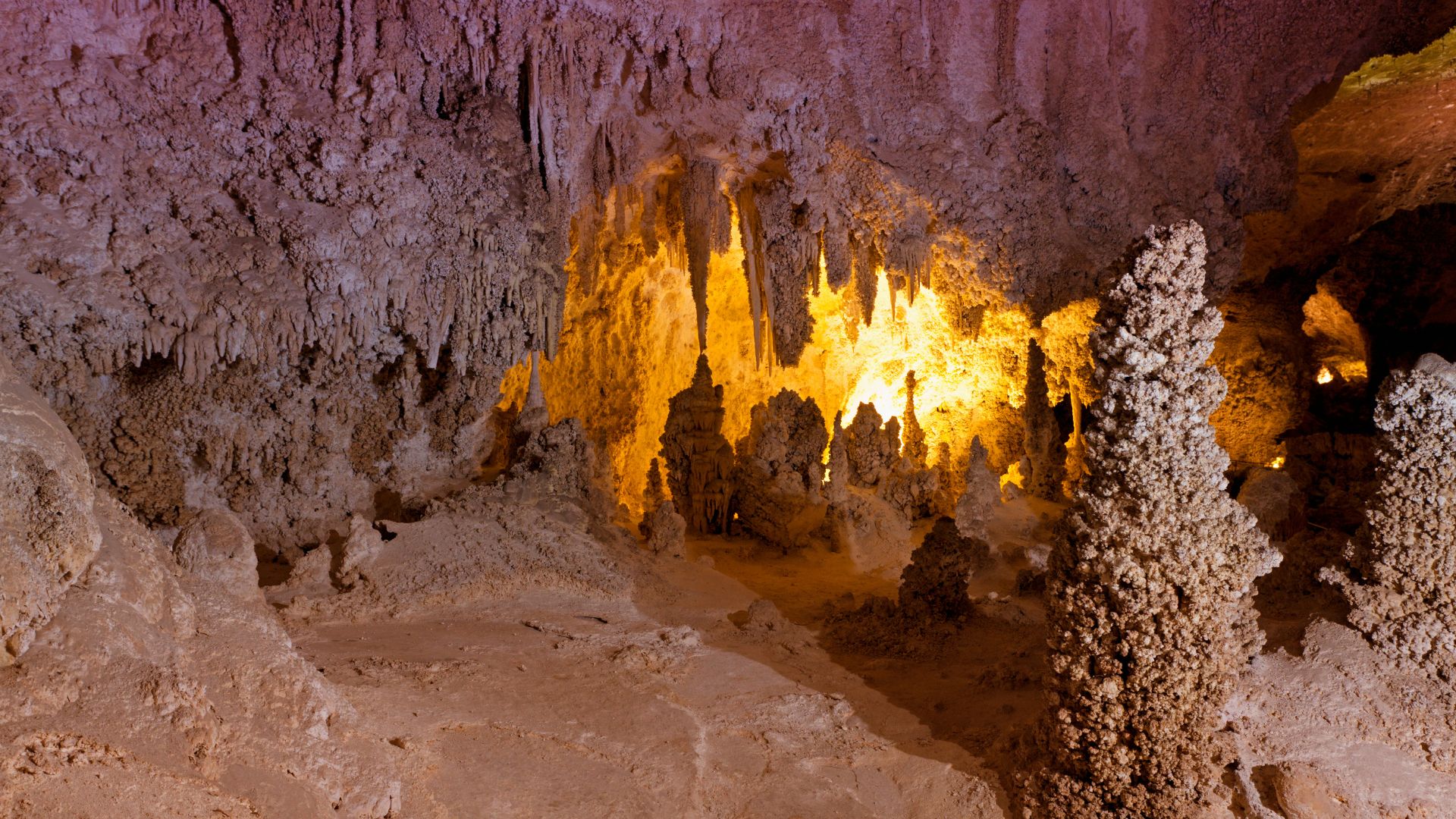
Once the cavern system was emptied of its contents, the decorating process began. The rainwater that fell onto the desert area absorbed carbon dioxide from the air and groundwater. This formed a mildly acidic rainwater that contained dissolved limestone above the cavern. As rain fell into the cavern, the calcite left behind a tiny ring on the cavern walls.
Over the course of millions of years, this decorative process created the speleothems within the cavern: stalagmites that rose from the cavern floor, stalactites that hung from the ceiling, and the odd “popcorn” formations on the cavern walls. Overall, then, Carlsbad Caverns is an example of a landscape formed by violent chemical reactions – yet adorned with the patience of geological time.
 Read Exclusive Stories
 Bookmark & Save Articles For Later