Scientists from UCLA and Stanford have found a way to “supercharge” the body’s own immune system to fight prostate cancer more effectively. By making a tiny adjustment to how immune cells physically grab onto tumors, the team has created a stronger, longer-lasting attack that doesn’t seem to hurt healthy tissue.
The study, published in the journal Science, focused on T cells. These are the body’s natural “soldiers” that hunt down threats. Usually, T cells struggle with prostate cancer because the markers on the tumor look too much like healthy cells. To avoid “friendly fire,” the body naturally weeds out the strongest T cells, leaving behind weaker ones that can’t quite finish the job.
The “Fishhook” Strategy
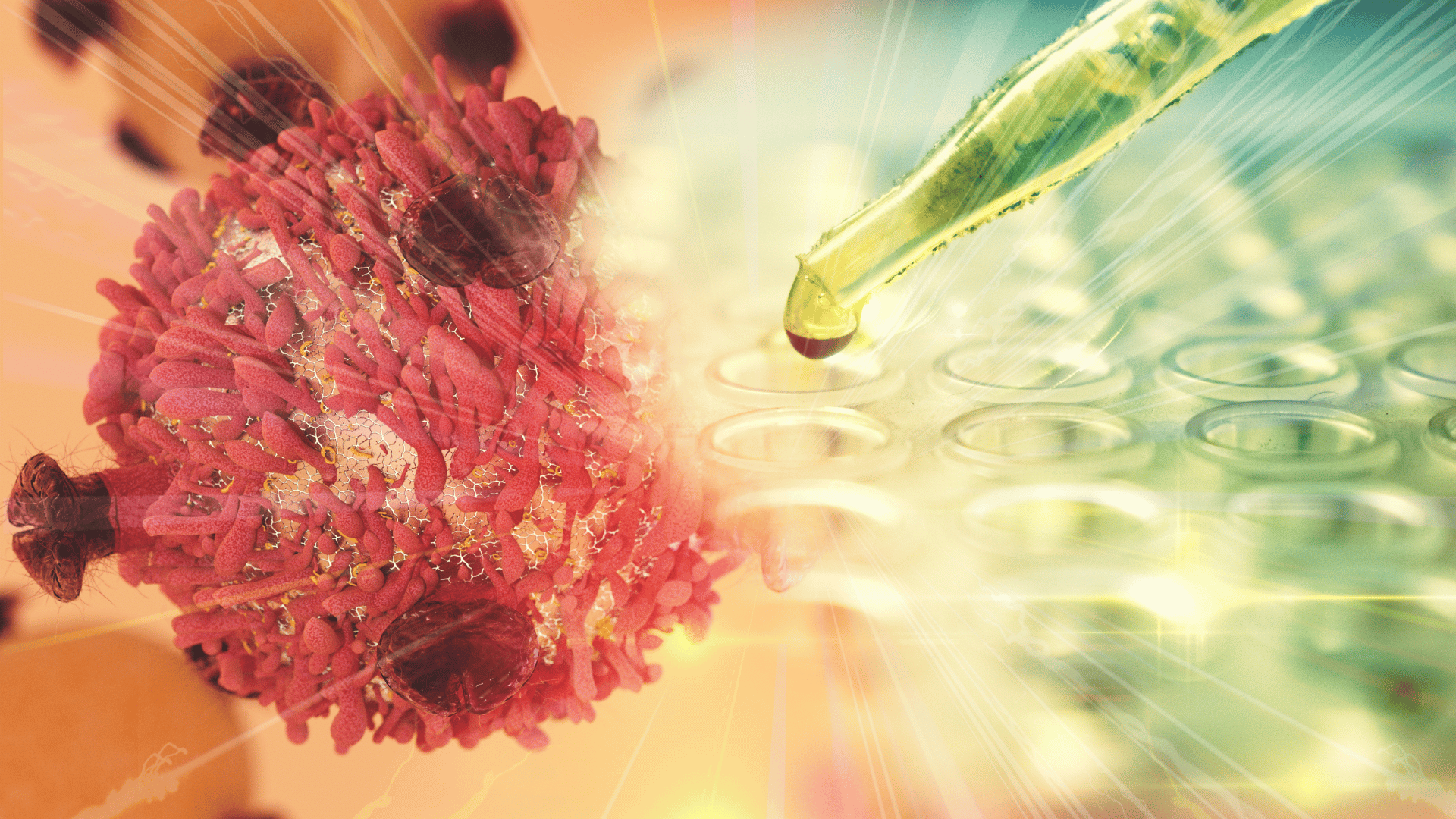
Instead of just making the T cells stick to the cancer more tightly, the researchers introduced something called a “catch bond.” The harder the cancer cell tries to pull away, the tighter the T cell latches on. This physical tension tells the T cell it’s time to attack.
Advertisement
By changing just one or two amino acids, the building blocks of proteins, the team transformed a weak immune response into a potent one. “In our collaborative work, we demonstrate that just a single amino acid change introducing these ‘fishhooks’ is sufficient to transform immune cells into a potent killer mode,” said study co-senior author Dr. K. Christopher Garcia of Stanford Medicine.
How it Benefits the Patients
In tests with mice, these engineered T cells either slowed down or completely stopped tumor growth. The cells also lasted longer and didn’t get “exhausted” as quickly as normal T cells do. Most importantly, because the “hook” only activates when it hits the specific cancer protein, the T cells ignore healthy organs.
“By engineering catch bonds, we aim to benefit more patients by overcoming immune tolerance,” said co-senior author Dr. Owen N. Witte of UCLA.
This discovery might change how we design cancer treatments in the future. Rather than just looking at how well a drug sticks to a target, doctors might look at how the bond holds up under pressure. “These findings suggest that catch bond engineering could be a generalizable strategy to enhance T cell therapies for many cancers,” Garcia added.
 Read Exclusive Stories
 Bookmark & Save Articles For Later