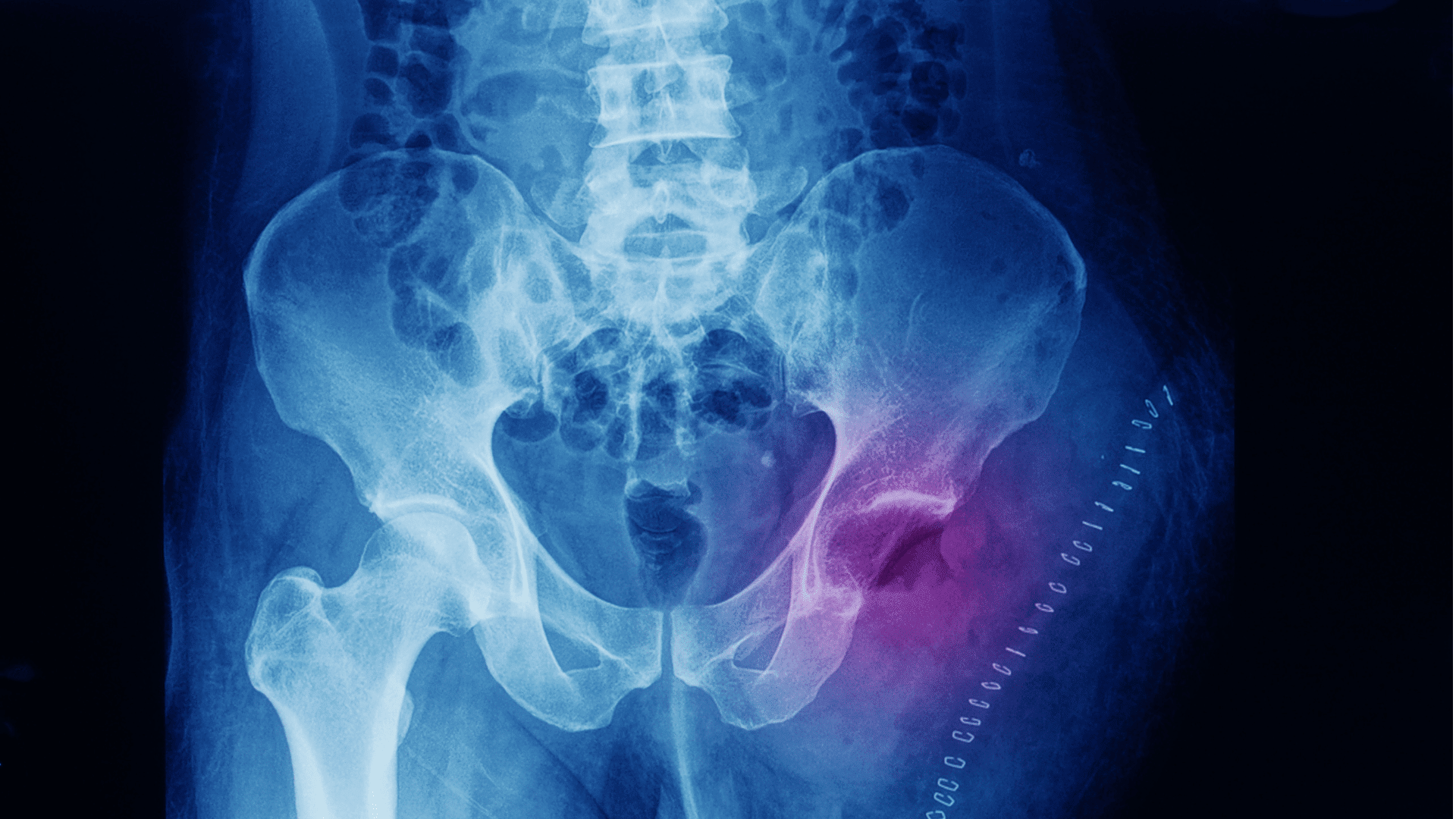
Researchers at Case Western Reserve University and University Hospitals may have finally found a way to break a 40-year stalemate in bone cancer treatment. For decades, doctors have relied on the same mix of chemotherapy and surgery to treat osteosarcoma, the most common bone cancer in children and teens.
A new study published in BMC Medicine shows that a specially engineered immune-cell treatment is successfully attacking these tumors in mouse models.
A New Way to Target Tumors
The treatment is a type of CAR-T therapy, which essentially programs a patient’s own immune cells to hunt and kill cancer. While this has worked well for blood cancers like leukemia, it usually struggles with solid tumors. The problem is that solid tumor cells are complex and hide behind different markers, making them hard for the immune system to find.
The research team, led by Associate Professor Reshmi Parameswaran, solved this by targeting a specific protein called Oncostatin M (OSM) found on the surface of these cancer cells. This new version, called OSM CAR-T, can identify multiple receptors on the cancer cells at the same time.
Advertisement
“For the past 40 years, conventional therapies for osteosarcoma, which consist of chemotherapy and surgery, have not changed much,” Parameswaran said. “Our new approach offers the possibility of a targeted treatment that harnesses the body’s own immune system to fight the cancer—potentially offering better outcomes with fewer side effects than traditional chemotherapy.”
Looking Toward Clinical Trials
One of the biggest hurdles with osteosarcoma is when the cancer spreads to other organs. When this happens, most current treatments stop working. However, the study found that these engineered cells were able to kill tumor cells even after they had spread in the mouse models.
“The OSM CAR-T cell therapy showed anti-tumor effects against all osteosarcoma patient samples tested,” Parameswaran said. “Tumor cells spreading to other organs in the body is a serious problem in osteosarcoma patients, making them non-responsive to most existing therapies. OSM CAR-T cells were effective in killing tumor cells spread to other organs in mouse models, which brings hope to these patients.”
The team expects to move into clinical trials within the next two years. If the results hold up in humans, it could mean fewer surgeries and a much better outlook for the 1,000 people diagnosed with this cancer each year.
 Read Exclusive Stories
 Bookmark & Save Articles For Later