Immunotherapy plays a major role in cancer treatment because it uses your own immune system to fight the disease. However, once these engineered cells enter the body, they often get tired or lose their strength. This is especially true inside tumors, which are experts at shutting down immune activity.
Researchers at UCLA have developed a unique way to solve this recurring issue. They developed a small implantable device that acts like a support hub. Instead of letting immune cells fade away, this device helps them stay active and keep fighting. The team recently shared their findings in the journal Nature Biomedical Engineering, showing how the system works in human melanoma and lymphoma samples.
How the Implantable Device Fights Cancer
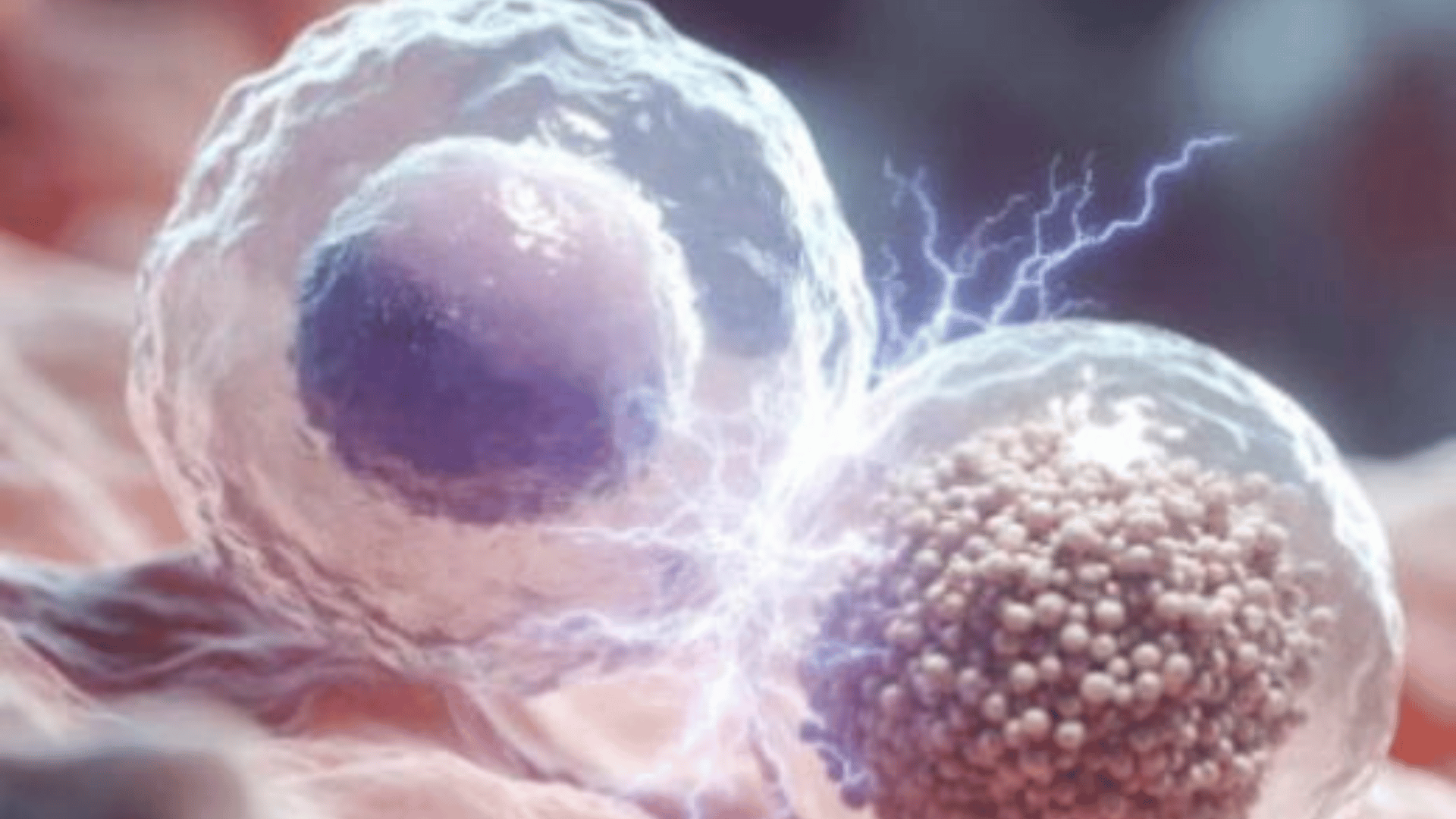
The study focuses on a specific type of cell called CAR-iNKT cells. These are great at attacking solid tumors, but they tend to lose their power shortly after being injected. To solve this, the UCLA team created what is essentially a home base for them. Once the device is placed near a tumor, it attracts these cells and gives them a boost.
Inside the device are tiny particles designed to mimic the signals that naturally wake up immune cells.
Advertisement
“These engineered microparticles are where CAR-iNKT cells recharge and switch back into attack mode,” one of the lead researchers, Song Li, explained. “Instead of delivering a one-time boost, the device provides sustained signals that help the cells stay active, multiply and form long-term memory.”
Better Results with Fewer Side Effects
The cells plug into the device, get hit with a protein that helps them multiply, and then head back out to work.
“It’s similar in concept to plugging your phone into a charging cable,” said Yan-Ruide “Charlie” Li, the study’s first author. “In this case, the CAR-iNKT cells connect to the TCR antigen, which sets off a series of molecular signals that activate them, sending them back out to destroy cancer cells.”
One of the best parts is that this doesn’t just help at the site of the implant. The researchers found that these recharged cells traveled through the bloodstream to kill cancer cells in other parts of the body, too. By keeping the “recharging” signals inside the small implant, the team also avoids the harsh side effects that usually come with pumping immune-boosting drugs through the whole body.
Professor Lili Yang said, “This approach significantly improves the durability and effectiveness of CAR-iNKT cell responses in both solid tumor and systemic blood cancer models, offering a new strategy to strengthen cell-based cancer therapies and expand their clinical potential.”
 Read Exclusive Stories
 Bookmark & Save Articles For Later