The search for fusion energy, the clean, limitless power source of the stars, has always faced a “simulation bottleneck.” The complicated physics simulations required to design a fusion reactor capable of containing sun-hot plasma take months to run, even on the world’s most powerful supercomputers.
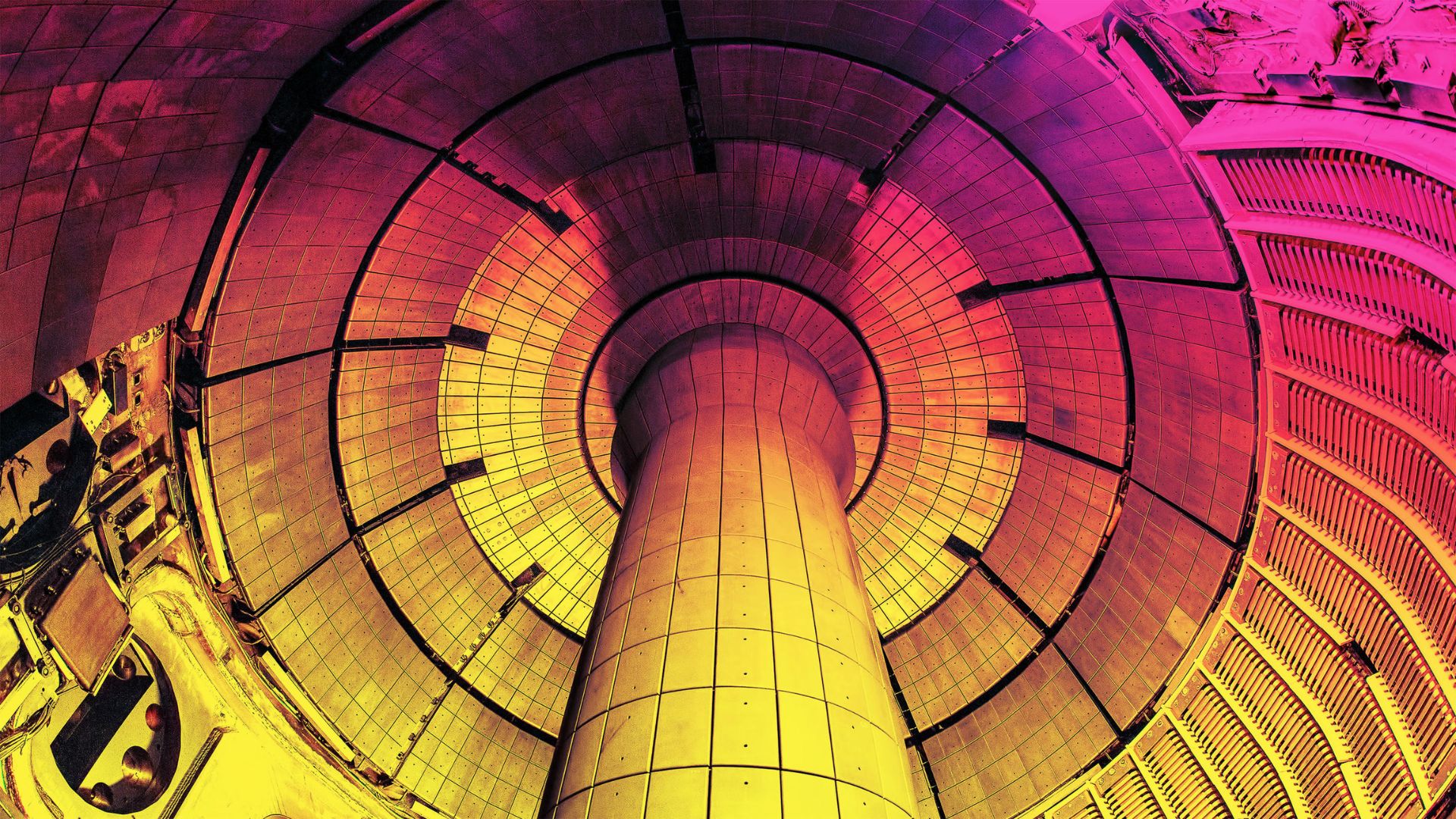
On Jan. 22, the U.S. Department of Energy’s Princeton Plasma Physics Laboratory (PPPL) announced that STELLAR-AI, a revolutionary new computing platform that will turbocharge fusion research, has officially launched.
Advertisement
STELLAR-AI combines cutting-edge supercomputing with machine learning to overcome the limitations of the trial-and-error approach to reactor design. Instead of relying on lengthy brute-force simulations, predictions of plasma behavior can be made in under 10 minutes.
“Fusion is a complex system of systems,” says Jonathan Menard, PPPL’s deputy director for research. “We need AI and high-performance computing to really optimize the design for economic construction and operation.”
STELLAR-AI is currently being used to build a “digital twin” of the National Spherical Torus Experiment-Upgrade (NSTX-U). The platform will allow researchers to investigate thousands of reactor designs in silico before any physical construction begins. With this, the hunt for fusion energy is transitioning from the realm of experimental physics to engineering — powered by AI — in the fight against climate change.
 Read Exclusive Stories
 Bookmark & Save Articles For Later