Manulife just launched a new project called Impact Forests. The goal is to restore forests around the world, while utilizing innovative technology to ensure the work is sustainable. They aren’t doing this alone. They’ve partnered with a company called veritree to use what they call “Smart Forest” technology. This is a big deal, because it’s the first time a company has used this specific tech on a global scale, and it’s the first time it’s being brought to Japan and the Philippines.
Usually, when companies plant trees, it’s hard to know if those trees actually survive or help the environment in the long run. Manulife is trying to fix that.
The tech uses a few different tools to keep track of everything:
- Satellite imagery to watch the area from above.
- Ground-level data to see what’s happening on the dirt.
- Bioacoustic monitoring (basically listening to the sounds of the forest) to see if animals and insects are returning.
By using these tools, they can select the right types of trees for each specific location and ensure that the planting actually contributes to biodiversity.
Advertisement
Where are these forests?
So far, the project has already restored about 160 hectares of land. To put that in perspective, that’s about the size of 8,000 tennis courts.
They have sites in:
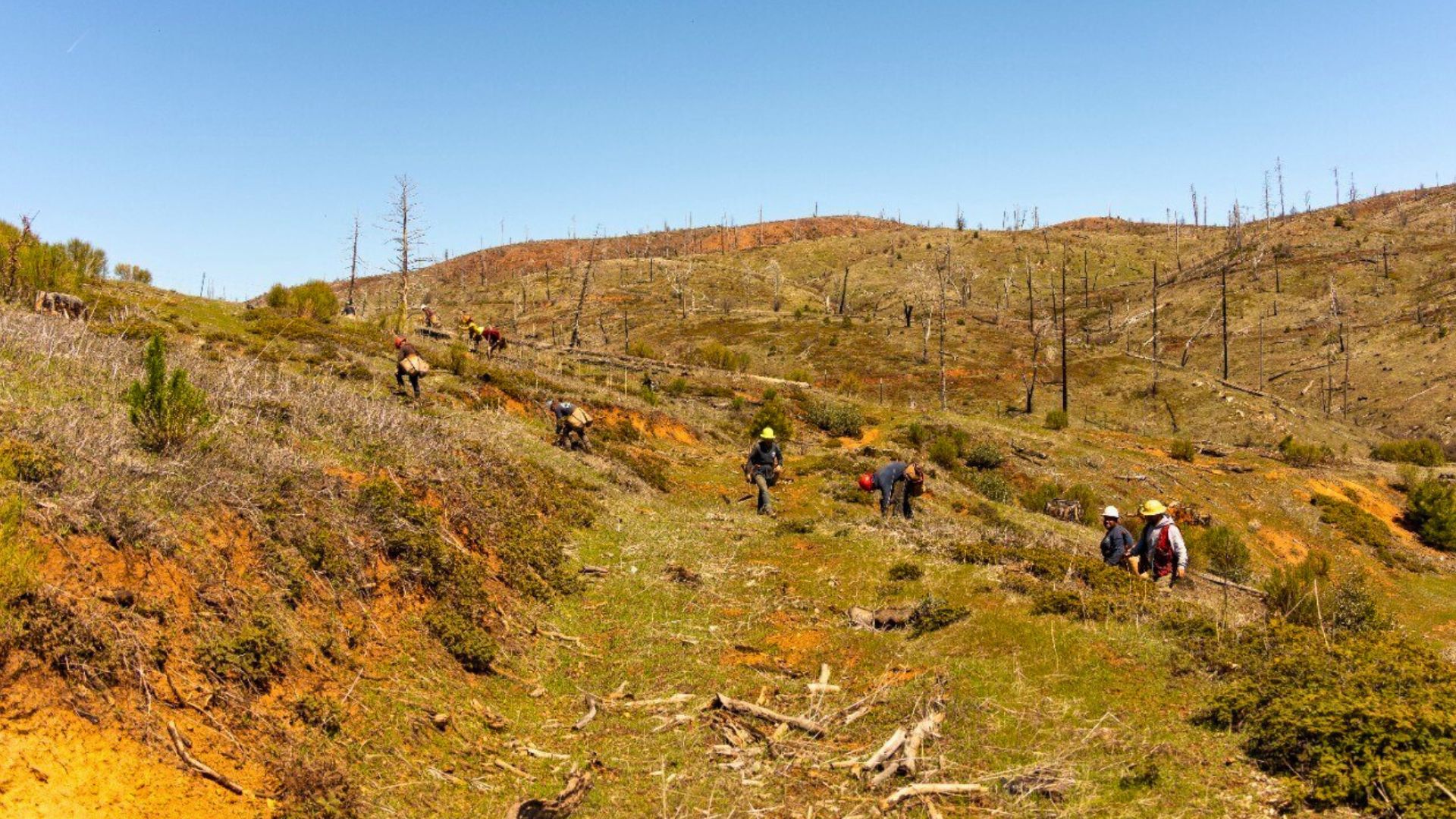
- British Columbia: Helping areas recover after massive wildfires.
- California: Replanting trees after the 2013 Rim Fire.
- Japan and the Philippines: Using the new tracking tech for the first time in Asia.
- Cambodia: Working on local restoration efforts.
It’s easy to say you’re planting trees, but it’s harder to prove they’re doing any good. This partnership aims to bring some transparency to the process. The data is uploaded to a platform where anyone can see the results. It tracks things like how much carbon is being soaked up, how many jobs are being created for local communities, and how many trees are actually growing (they’ve hit over 185,000 so far).
As Manulife’s Chief Sustainability Officer Ariel Kangasniemi put it, when nature does well, people usually do well too. By using data instead of just guesswork, they’re hoping these forests will be around for a long time.
 Read Exclusive Stories
 Bookmark & Save Articles For Later